High-Pressure Valve Bodies & Hydraulic Control Unit Bodies

A pressure-boundary manifold whose failure modes are invisible until they are not — and metering flow through a maze of intersecting galleries.

Downhole hydraulic control unit bodies in batch production — 17 key processes under one roof. Bore groups that once could only be batch-machined overseas now run in stable domestic production, and the unit cycle came down by 25 days.
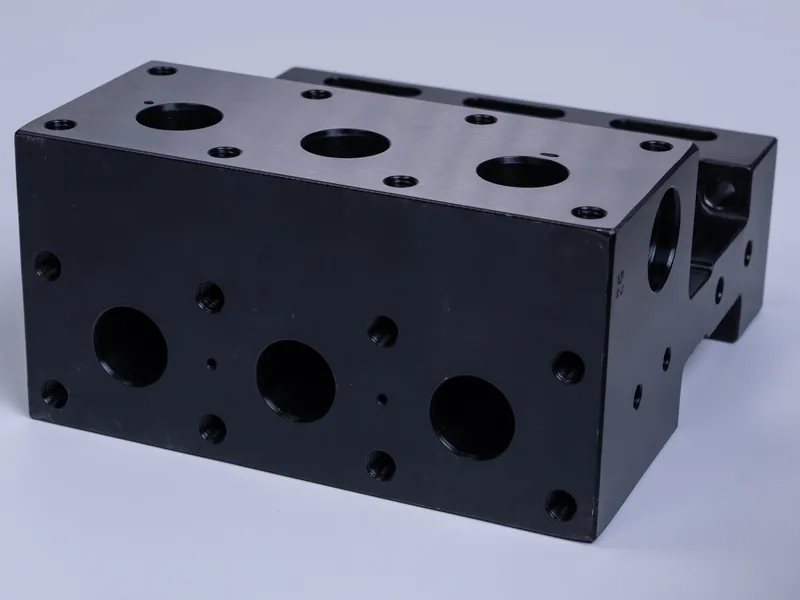
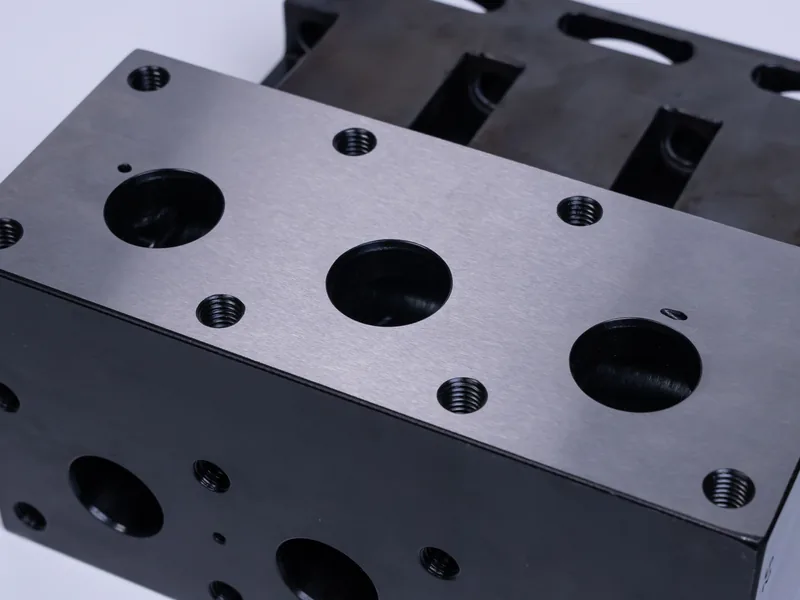
Hydraulic control unit body — ports, mounting faces and cartridge cavities on every face
In batch productionValve bodies17 processes · one roof

Capability

CapabilityDetail
MaterialsHigh-strength steels and stainless for pressure-boundary bodies; NACE MR0175 handling where sour service is specified
Five-face machiningSelf-built FWG-M1260 five-face gantry, travels 6,000 × 1,200 × 650 mm — ports, mounting faces and cartridge cavities on every face in one setup
Deep-hole galleriesBTA and gun drilling, including drilling from both ends where depth requires; 13 self-built gun drills on the floor
Seal boresPrecision boring then honing — self-built honing machines (FWHM-4000 class, Ø400 × 6,000 mm)
Cross-hole deburringDeburring at intersections, verified by inspection rather than assumed — a detached burr downstream of a seat is a stuck valve
InspectionCMM, dimensional report with every order; pressure testing supported on JV test stands where specified

Why These Bodies Are Hard

Machined body with cross-holes and mounting faces — five-face work in one setup
Every face carries a feature
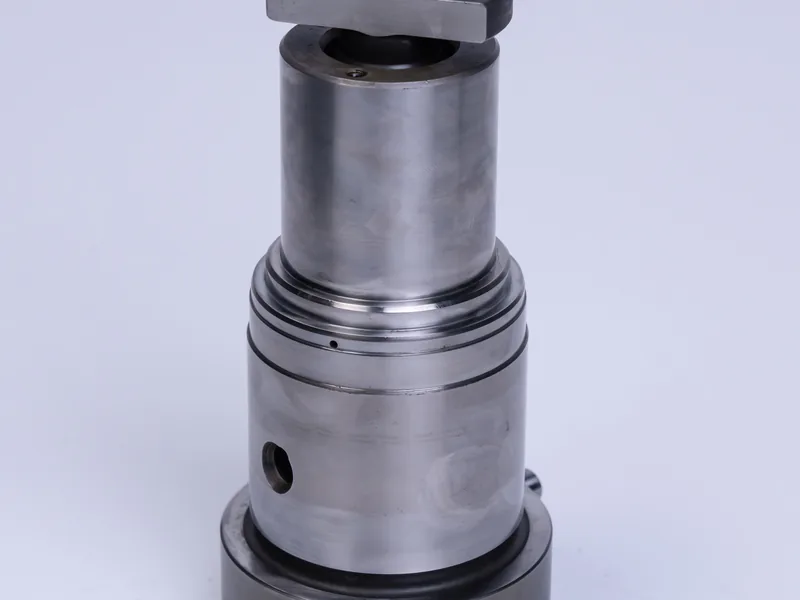
Turned pressure component with cross-holes and seal grooves
Seal bores — honed, not reamed

Process

The DFM feedback we give on bodies: gallery layouts that leave room for drill access and deburring verification, seal-groove and seat geometry matched to pressure cycling, where honing replaces reaming on long seal bores, and port standardisation that cuts both cycle time and leak paths.

Materials & Surface Treatment

In-house surface processes on these bodies: hard chrome and electroless nickel on seal bores and spool fits, with the coating allowance engineered into the machining program; nitriding and induction hardening of wear surfaces; bore TIG repair from Ø40 mm up to 2,000 mm deep for salvage and rebuild work; and NACE MR0175 material handling where sour service is specified.

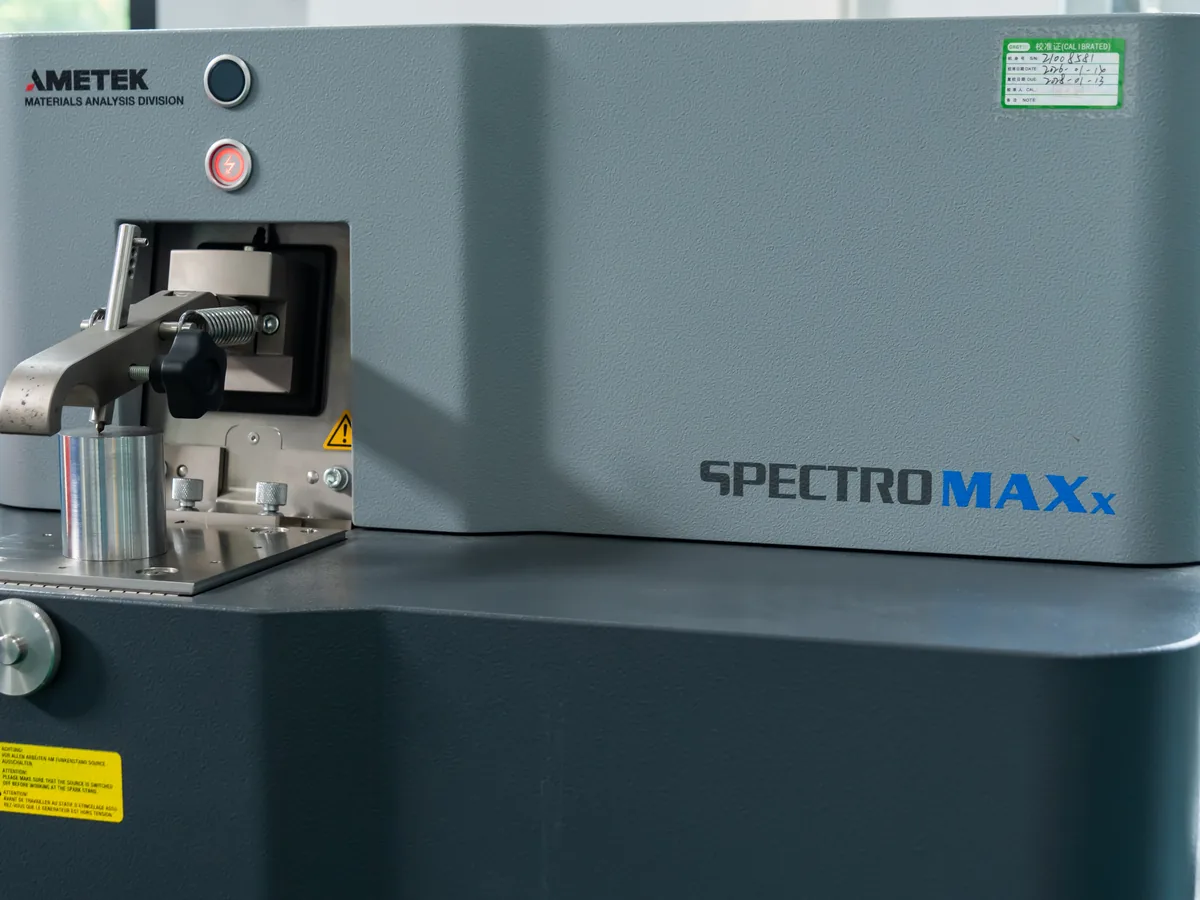
Optical emission spectrometer — incoming material verification
Incoming verification — every heat checked before the first cut

How You Can Verify It

FAQ

Questions engineers ask about valve bodies

Q: Are the HCU bodies and downhole valve bodies really in batch production?

Yes — both the hydraulic control unit body and high-pressure downhole valve bodies are in batch production, with all 17 key processes for the HCU body running in-house.

Q: How do you deal with burrs at cross-hole intersections?

As a process step, with inspection behind it. Deep intersections are deburred and then verified rather than assumed clean. A detached burr downstream of a valve seat is a jammed valve and a trip out of the hole, so this is not a step we treat as cosmetic.

Q: Can you hold seal faces at 180 °C / 180 MPa?

Seal bores are precision bored and then honed — ground and honed, never merely reamed — and seal faces are finish-ground in-house. Pressure validation is supported on JV test stands rated 180 °C / 180 MPa where the specification calls for it.

Q: What is the typical lead time on an HCU body?

It depends on the bore groups and the pressure-test requirement, so we would rather quote against your drawing than publish a generic number. What we can say is how the route was built: the motor-pump and compensation bores that once ran a 70-day-plus EDM-only route now run a combined gun-drilling, boring and EDM route at 45 days — a 25-day cut in the unit cycle.

Q: What surface processes do you run on these bodies?

Hard chrome and electroless nickel on seal bores and spool fits with the coating allowance engineered into the machining program; nitriding and induction hardening of wear surfaces; bore TIG repair from Ø40 mm up to 2,000 mm deep for salvage and rebuild; NACE MR0175 handling where sour service applies.

Q: What do you need from us to quote a valve body?

The drawing, the material grade, gallery layout and bore depths, seal-face specification, pressure-test requirement, quantity and target delivery. An engineer replies within 24 hours with manufacturability feedback; the quote follows once the information is complete.

See all questions we get asked →

Get a quote

Send the Body Drawing

Gallery layout, bore depths, seal-face specification and the pressure-test requirement decide the route. Send them with the drawing and the quote is a price for a route rather than a guess.

STEP / DWG / DXF / PDF welcome. NDA first if you prefer — yours or ours.

Related: Oil & Gas Drilling|Deep-Hole Drilling|Precision Grinding|MWD & LWD Housings

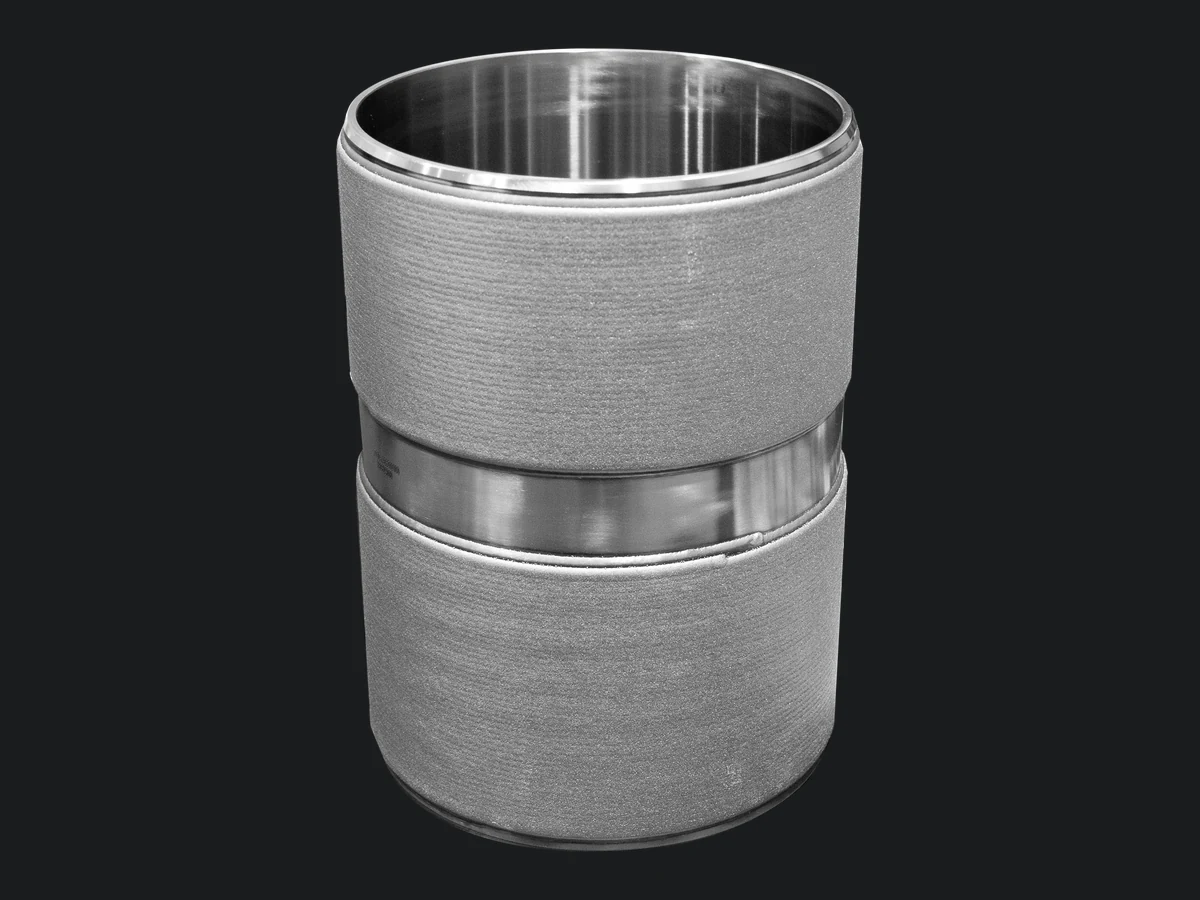
Drill collar section — internal structure visible in section
DownholeValve bodiesHCU · high-pressure