Our Story

“In precision machining, cleverness matters little. Accumulation matters most.”— Xu Guan, Founder

A materials engineer left a national research institute in 1991 and spent the next three decades building a precision machining group for the parts other shops could not make. Every chapter below explains a capability you can still see on our shop floors today.

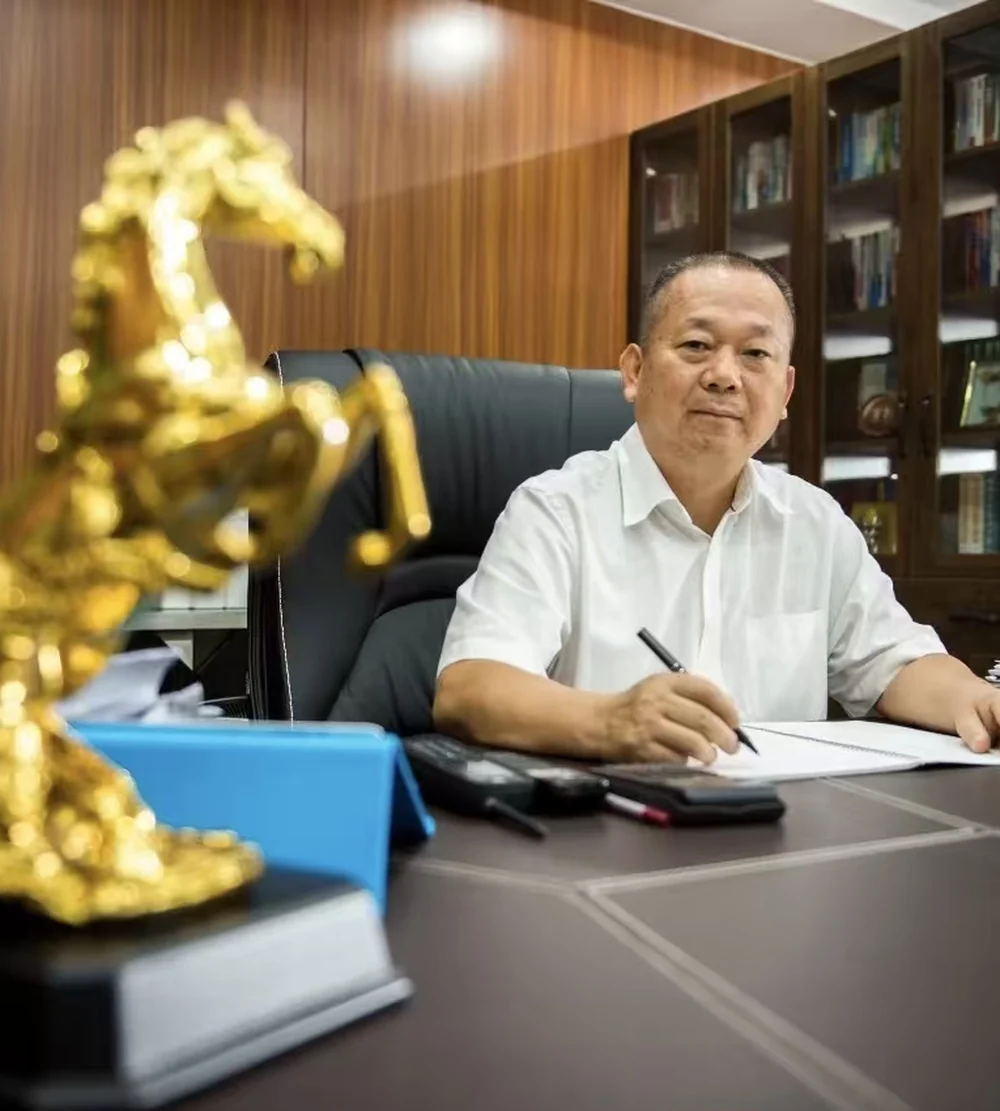
Xu Guan, founder, at his desk — signing a document, bookshelf behind him
FounderXu GuanHands-on in R&D today
1979–1991

The National Institute Years

Xu Guan entered South China University of Technology in 1979, before turning sixteen, to study welding technology and equipment. After graduating in 1983, he was assigned to the Wuhan Research Institute of Materials Protection — one of China’s leading national institutes for surface engineering.

Within two years, he was leading his own research group. His team developed the plasma cladding process for low-pressure valve sealing faces — work that earned a first prize from the China Academy of Machinery Science and Technology.

From 1987 to 1991, he traveled to more than 600 factories across China, putting surface engineering to work on the shop floors that needed it most.

What this means for your parts today

Surface treatment remains in-house at Zhongnan. Our founder learned surface engineering inside a national research institute — and that capability has stayed in-house ever since.

1991–1995

From the Lab to the Factory Floor

In 1991, at 29, Xu Guan left the institute and moved south to Foshan, Guangdong — one of China’s manufacturing heartlands. In 1993, he founded the workshops that would become Zhongnan Machinery: a surface-strengthening plant and a mold-and-tooling shop.

At the time, the Pearl River Delta ran on imported diesel generator sets, and every worn part had to be ordered from overseas. By 1995, the young company had localized key components for these large and medium-sized diesel engines — with key performance indicators matching the imported originals — and was named one of the first priority-supported high-tech enterprises in Nanhai.

What this means for your parts today

The pattern set in those years never changed: take on the parts that are hardest to make reliably — and make them. Diesel-engine components were the first case. The same pattern later carried us into marine engines — but it started here.

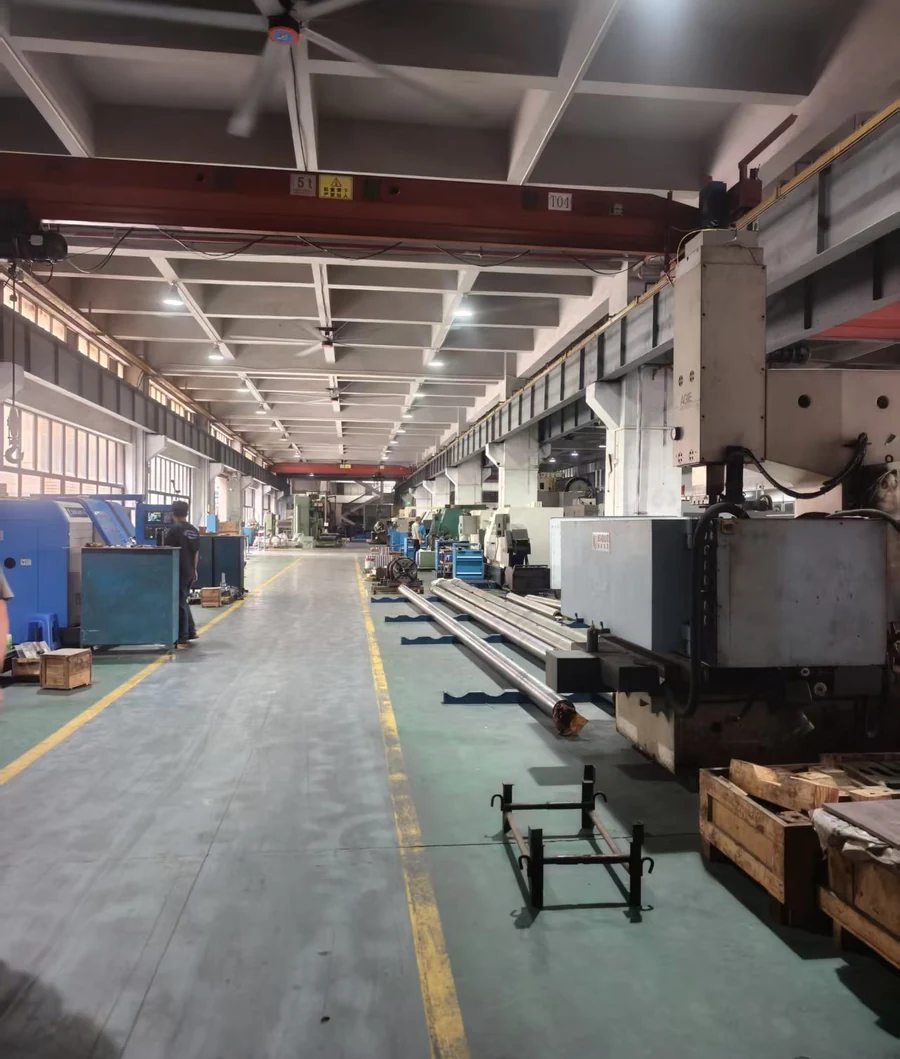
The original Zhongnan workshop — overhead gantry crane, machine line along the aisle, wooden crates on the floor
Shop floorThe original workshopSurface strengthening and tooling, 1993
2003–2006

The Part We Taught Ourselves to Make

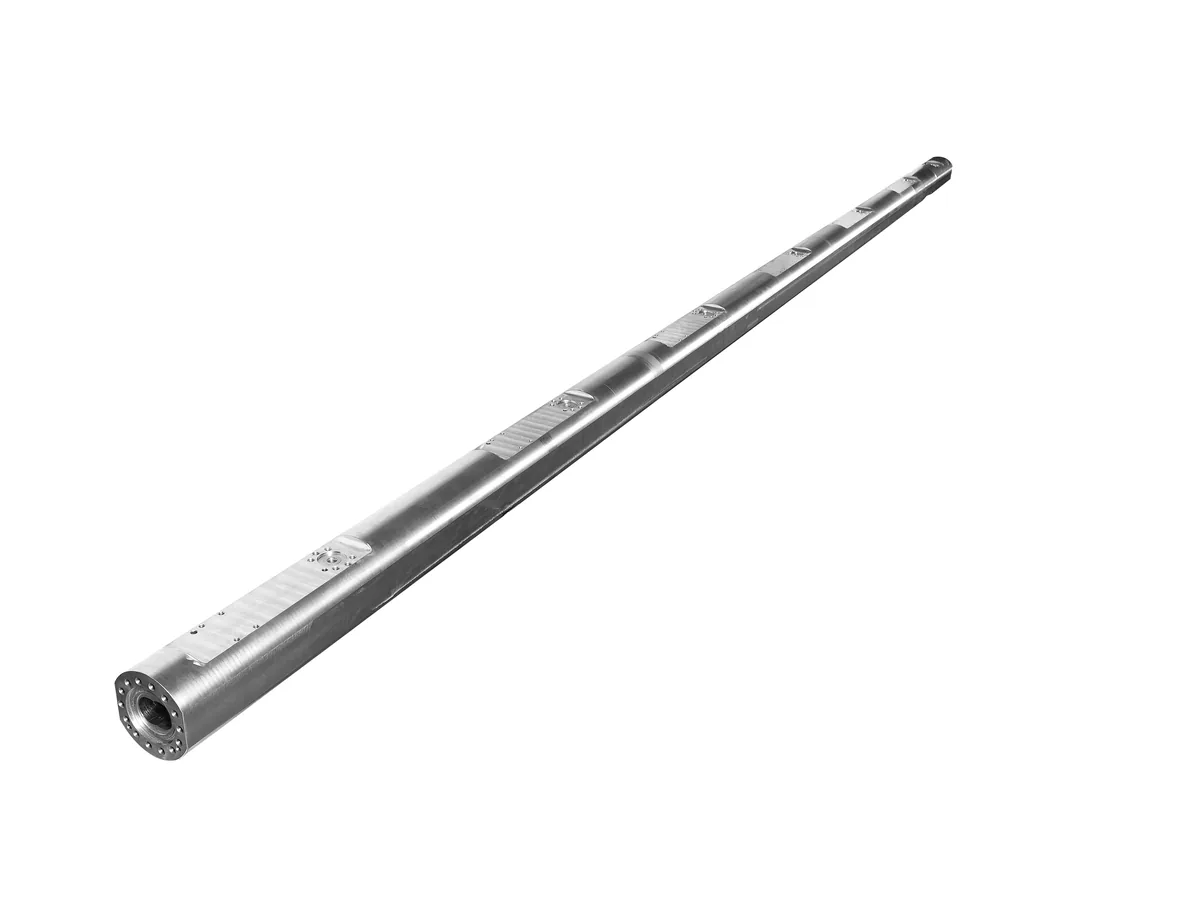
In 2003, a leading Chinese shipyard licensed electronically controlled common-rail diesel technology from a European marine engine maker. The shipyard had the drawings. Yet for two years, nobody in China could make the marine common-rail fuel unit — a component over ten meters long, rated for 1,050 bar, at the heart of a new generation of large marine engines. The machining technology and the machines behind it were not available for purchase.

Our Executive Vice President Mao Weidong remembers the order:

“They told us what to make, but not how to make it. We decided we had to make it anyway.”

— Mao Weidong, Executive Vice President

That lesson became a working principle: if the machine could not do it, we rebuilt the machine; if the cutting tool could not, we redesigned it. The key technologies fell after six months of round-the-clock work; mastering the full chain — part, process, and equipment — took three years. In 2006, Zhongnan delivered China’s first domestically produced common-rail fuel units for large marine diesel engines, breaking the import monopoly. The units went on to earn approvals from seven classification societies.

They later entered service aboard China’s polar research vessel on its polar expeditions. Twenty years on, this chapter is still in production: large marine diesel common-rail pipes in 40CrNiMoA high-strength steel are in batch production on our floor today — each set shipped with a full traceability package and a 1,450 bar pressure-test record against a 1,050 bar working pressure.

What this means for your parts today

The deep-hole drilling, machine building, and process discipline created for this project are the same capabilities your part is quoted against now.

Marine common-rail fuel pipe — full length, flange end, mounting bosses along the body
MarineCommon-rail fuel pipe40CrNiMoA · 10 m · 1,050 bar working pressure

We Build Our Own Machines

Rebuilding the machine and redesigning the tool was not a one-time decision. It became how we work.

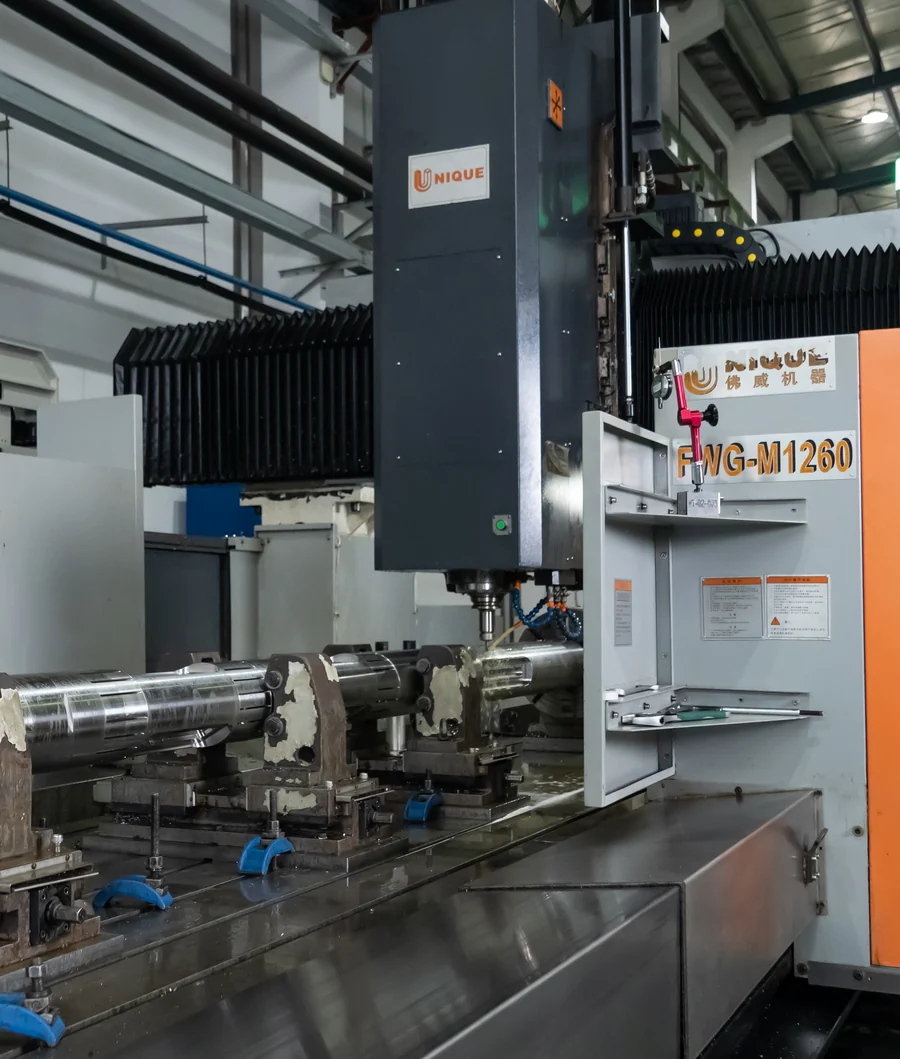
Today, we run the best machines the market offers. And when the machine a part demands is not available to us, our machine-tool subsidiary designs and builds one. That is how Zhongnan came to build a 6-meter five-face gantry machining center, a 12-meter floor-type boring and milling machine, an 8-meter CNC lathe, and a 7-axis CNC gun drill that drills precision holes 6 meters deep.

But here is the point our founder insists on: the machines were never the product. The machining is. We build machines because our own parts demand them — special travels, special depths, special rigidity. Every machine we build teaches us something no machine purchase ever could. When we hit a process limit, we do not wait for a machine vendor’s next model. We modify the machine — or build a new one.

What this means for your parts today

This is why a precision machining group keeps its own machine-tool subsidiary: process problems can be solved at the machine level, in-house.

Self-built FWG-M1260 gantry machining center — gantry head over a long shaft, nameplate legible
Self-builtFWG-M1260Built by our machine-tool subsidiary
2013

Speaking the Researchers’ Language

In 2013, when industrial metal 3D printing was still emerging from the laboratory, Zhongnan co-developed one of China’s first industrial metal 3D printers with South China University of Technology.

We never became a 3D-printing company. The project left us something more useful: fluency in the language of research teams — the people who bring us drawings for parts that have never been made before.

What this means for your parts today

This is why our rapid-prototyping capability was built with research institutes and R&D teams in mind — and why one drawing is enough to start the conversation.

2005–2020

A Quiet Decade Downhole — Then a Joint Venture

Some capabilities take years to prove themselves.

Beginning in 2005, we spent more than a decade machining rotary-steerable and MWD components for one of the three international oilfield service majors. The work was steady, confidential, and unforgiving — the kind of work where process discipline matters more than promises.

In 2017, a domestic drilling program launched a nationwide tender for a mass-production partner. We won. In 2018, an 18-person team — every member with at least 12 years at Zhongnan — was entrusted with the program’s workshop and standardized more than 1,800 part types in its first year.

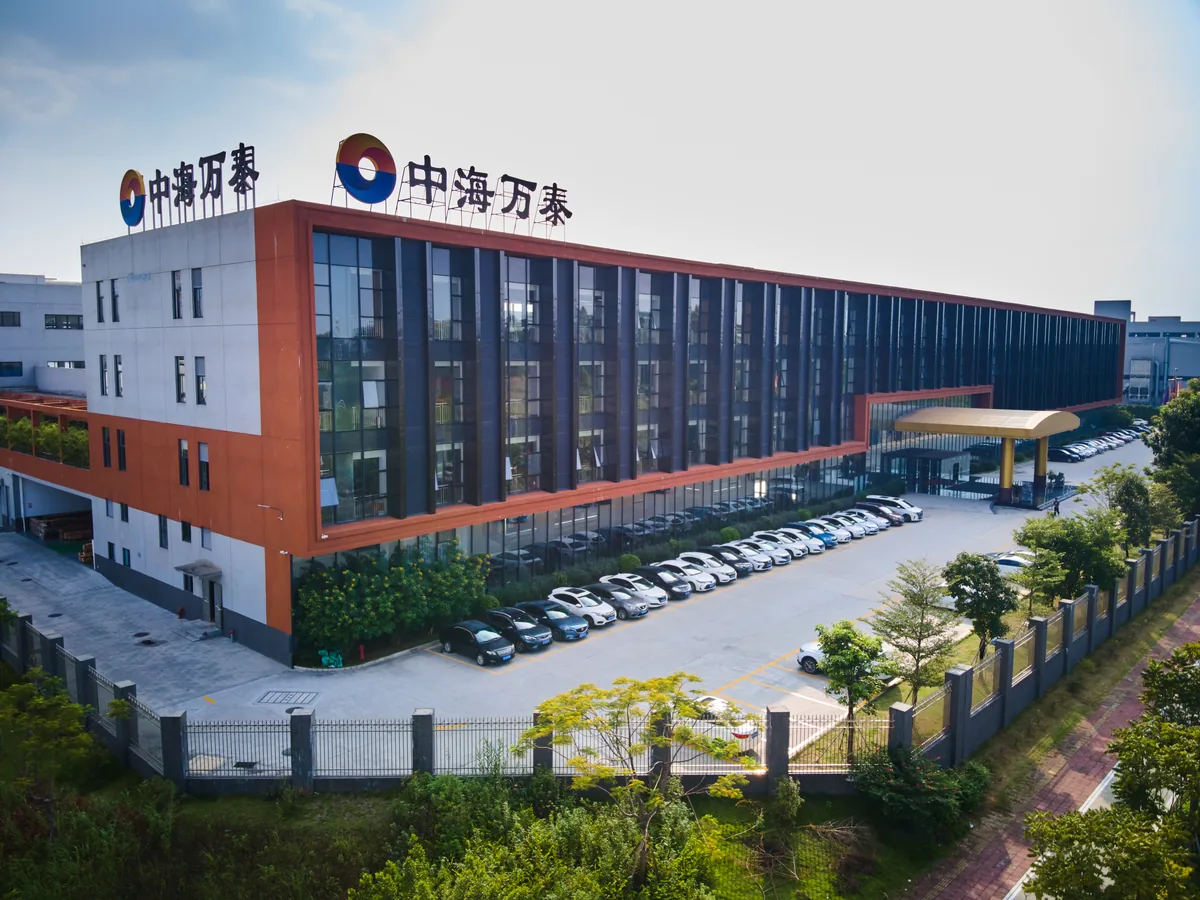
After three years of delivering on this failure-critical program, the relationship moved beyond a contract renewal. In 2020, it became a joint venture: Zhonghai Wantai (Well Technology Co., Ltd.), with our founder serving as Vice Chairman and General Manager. Today, parts we machine operate at 180°C and 180 MPa downhole.

What this means for your parts today

This is why a precision machining group in Foshan can be trusted with program-scale production of failure-critical downhole components: the partnership was built on more than a decade of supply, three years of program delivery, and over 1,800 standardized part types.
The Zhonghai Wantai joint-venture plant in Foshan — aerial view of the building and car park
Joint ventureZhonghai WantaiWell Technology Co., Ltd. — the JV plant, Foshan

What Three Decades Add Up To

Three decades, one thread: accumulation.

A founder trained in surface engineering at a national institute remains hands-on in R&D today. A business that began in surface strengthening now machines parts proven in polar ice, downhole tool components that run at 180°C and 180 MPa, and aviation structural components through precision semi-finishing — with final processes completed by a group member company. And a team once told what to make, but not how, now applies the same discipline to drawings from customers around the world.

That accumulation now shows up in more than 100,000 part types and over 40 in-house processes.

The next chapter begins the same way as the others: with a part that demands more than standard machining. Perhaps it will be yours.

The Story in Numbers

Since 1993
100,000+Part Types Machined
40+In-House Processes
0.005 mmMachining Tolerance
Ra 0.1 μmSurface Finish
12 m · 10 mDeep-Hole Drilling — Machine Envelope · Effective Depth
6 mGun-Drilling Depth — from Ø2 mm
7Classification Society Approvals
≤0.3 mmBore Deviation Measured

Timeline

1979
Xu Guan enters South China University of Technology before turning sixteen
1983
Joins the Wuhan Research Institute of Materials Protection
1987–1991
Brings surface-engineering technology to 600+ factories nationwide
1991
Leaves the institute and moves south to Foshan
1993
Founds the workshops that become Zhongnan Machinery
1995
Localizes key components for large and medium-sized diesel engines
2002
Earns first ISO 9001 certification (TÜV Rheinland)
2003–2006
Breaks the import monopoly on marine common-rail units
2005
Begins machining rotary-steerable and MWD components for one of the three international oilfield service majors
2012
Common-rail units enter service aboard China’s polar research vessel
2013
Co-develops one of China’s first industrial metal 3D printers
2017
Wins a nationwide tender as mass-production partner for a national drilling program in China
2018
An 18-person team is entrusted with the program workshop — every member with 12+ years at Zhongnan; 1,800+ part types made and standardized within the first year
2019
Breaks through machining of all program parts; mass production begins
2020
Zhonghai Wantai joint venture established; founder serves as Vice Chairman and General Manager
Today
100,000+ part types machined; 40+ processes in-house

The Next Story Begins with Your Drawing.

Upload your drawing — NDA welcome, yours or ours. Within 24 hours, an engineer will review it and reply with a feasibility assessment, process recommendations, and potential manufacturing risks.

We do not provide instant quotes. Each quotation is calculated from your drawing, material, and quantity, then confirmed with you step by step — to ensure quotation accuracy.

Related: Why Zhongnan|Equipment|Custom Machine Tools

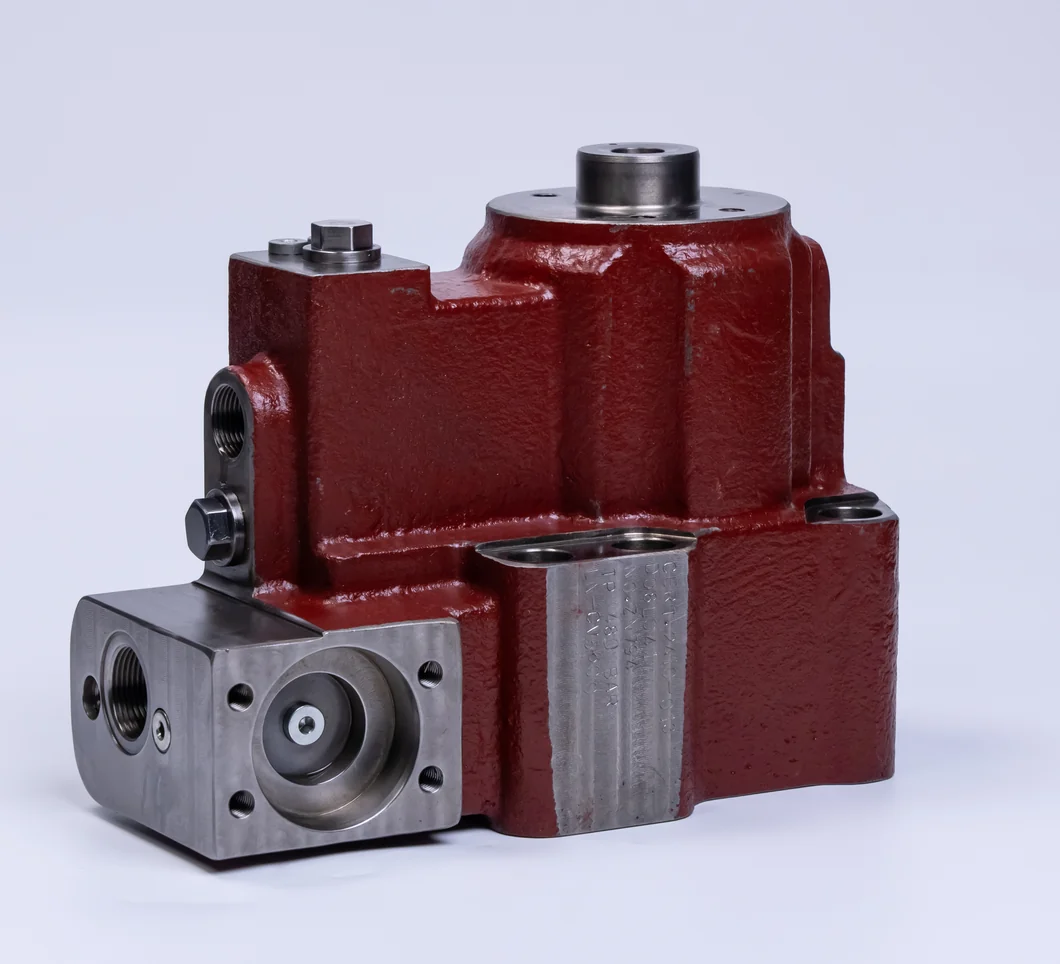
Exhaust valve body with its machined face
Exhaust valve