Engineering Robotics Components

A robot that fails on a factory floor gets serviced. A robot that fails kilometers underwater gets written off.

We machine parts for engineering manipulators — deep-sea and heavy-payload. Complete deep-sea manipulator arms are in production on our floor right now: everything except the hydraulics and the electronics is made by Zhongnan Machinery, in specialty alloys built for the harshest working environment on Earth. If a part is precise enough and tough enough for the deep sea, it is ready for your robot. Send us your drawing.
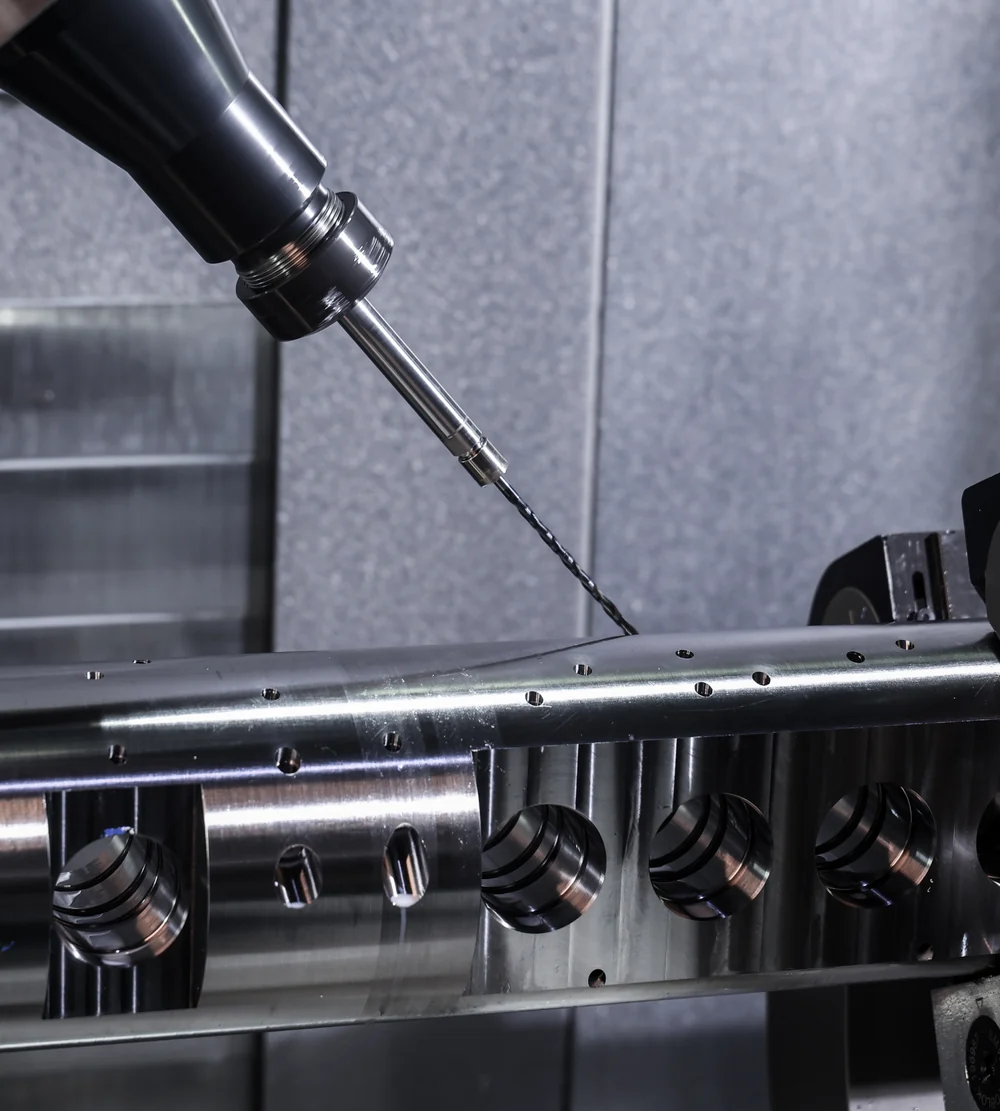
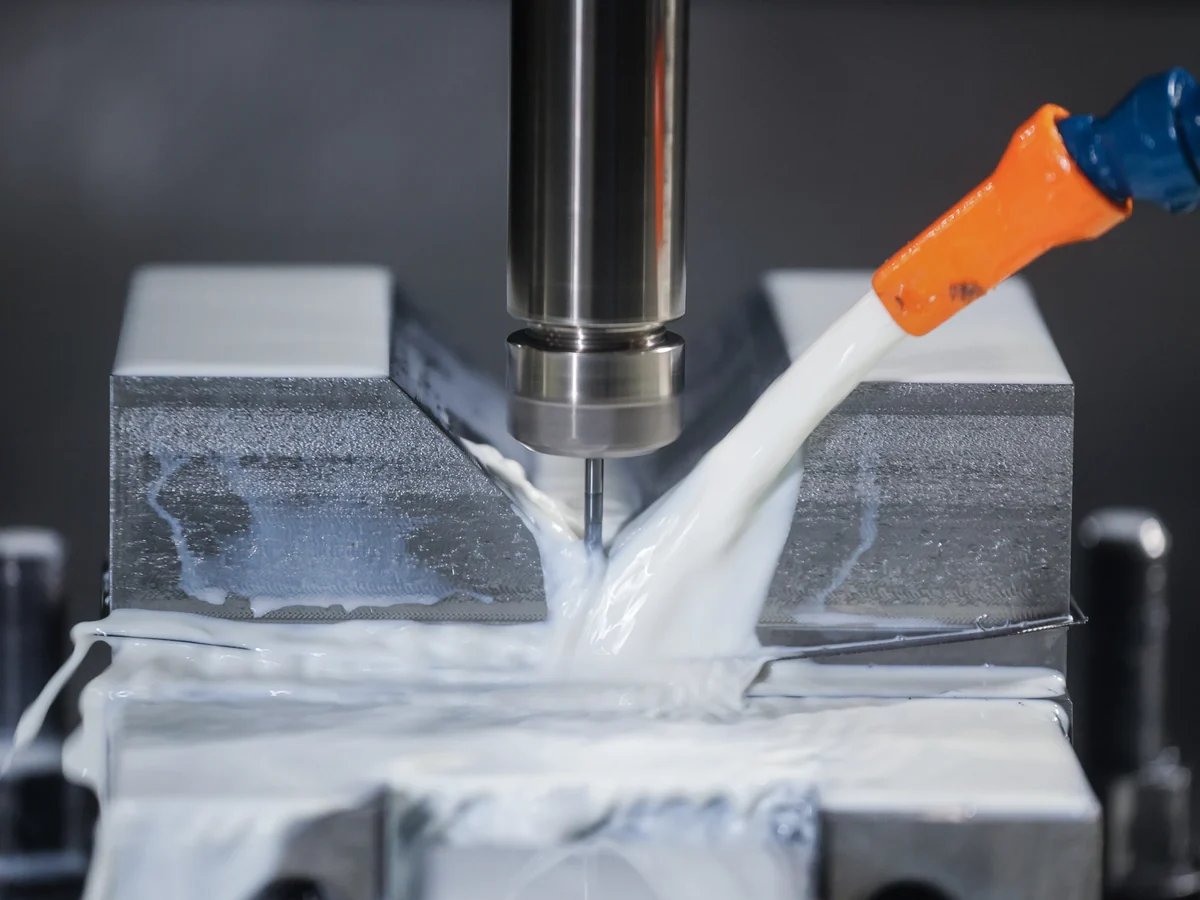
Five-axis head cutting an inclined hole in a long part — the process, not the customer's part
The work itselfAngled featuresMachined in one setup

Why you won’t see the manipulator on this page. Every program we run is bound by confidentiality agreements — including the deep-sea manipulator arms in production on our floor right now. We do not publish customer parts, and we never will. The discipline that protects their programs protects yours. What we can show is the work itself: the machines, the processes, the measured results.

The work itself — five-axis cutting, coolant flooding the gap

Why Robot Parts Are a Precision Problem

A robot is only as good as its worst joint:

Engineering manipulators are multiplying — on production lines and on the ocean floor — and every new manipulator multiplies the demand for precisely machined joints, reducers, and end effectors.

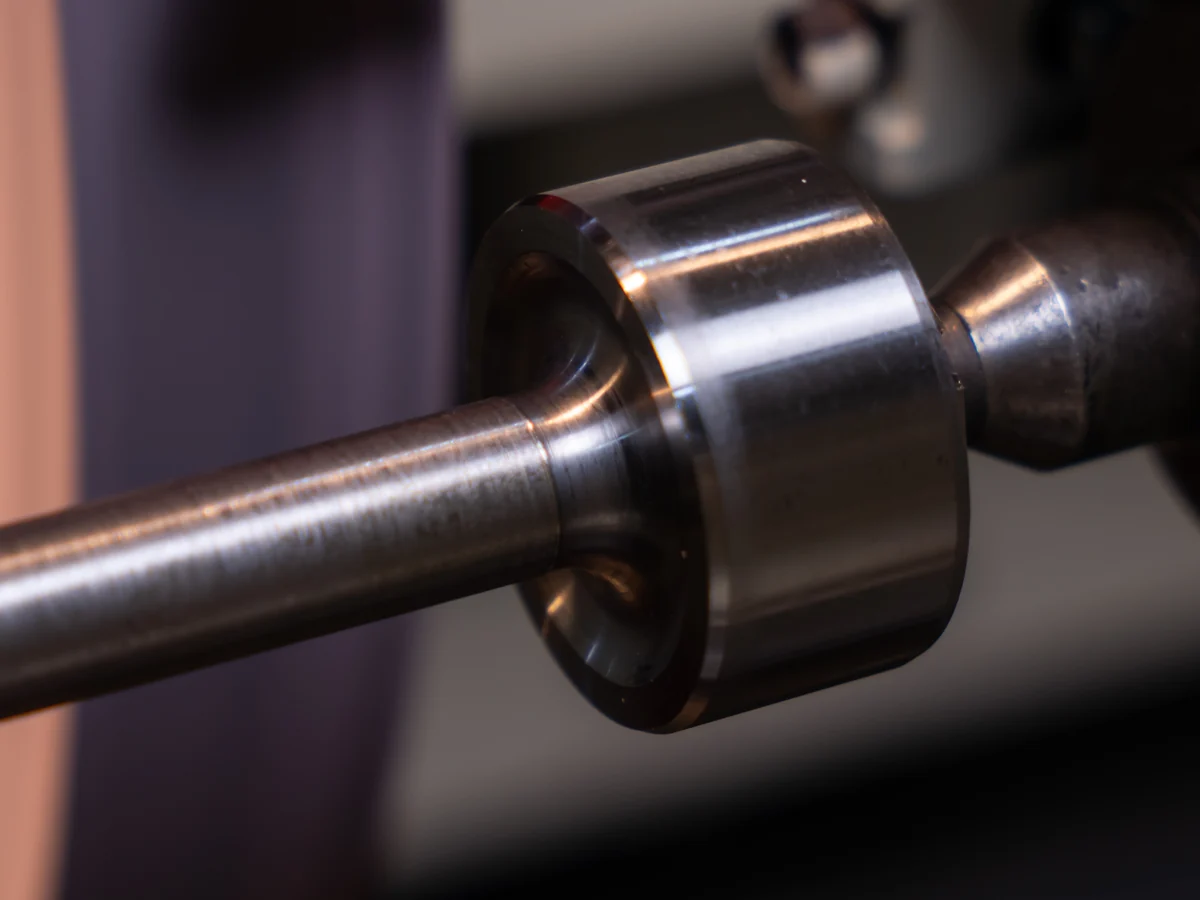
Ground shoulder on a shaft — mirror finish where the tool path ends
Ground shoulder — the finish is measured, not eyeballed
Thin-wall pocket being milled — coolant flushing, stock removed symmetrically
Thin-wall pocket — light and rigid at the same time

The Parts We Machine

Components currently in production — machined parts for complete deep-sea manipulator arms, everything except the hydraulics and the electrics made in-house:

PartWhy it is hardGo to page
Joint housingsThin-wall rigidity; multi-face positional accuracyDeep-Sea Manipulator
Structural linksSpecialty alloys; distortion control over lengthDeep-Sea Manipulator
Pressure-compensation seal partsSealing-grade surfaces; corrosion-resistant alloysDeep-Sea Manipulator
Other deep-sea manipulator partsEverything except hydraulics and electrics, made in-houseDeep-Sea Manipulator
Cycloidal motor partsTooth profile accuracy, surface finish, dimensional stability after heat treatmentPrecision Grinding

Proven Underwater

The deepest proving ground for a manipulator is the ocean floor.

Deep-sea manipulators work at depths where pressure reaches tens of MPa, seawater corrodes everything it touches, and no service crew will ever visit. Every part — joint housings, pressure-compensated seals, structural links — is machined from specialty alloys and finished to sealing-grade surfaces.

We are machining these parts today. Complete deep-sea manipulator arms are in production on our floor right now — every machined part except the hydraulics and the electrical systems is made by Zhongnan Machinery, in titanium and specialty alloys, for 5,000-metre-class service where failure is not recoverable.

What that means for your program: a supplier qualified by the ocean is overqualified for the factory floor. The same five-axis machining, grinding, and in-house surface treatment that survive seawater will hold up in your joint housings, your links, your seal parts.

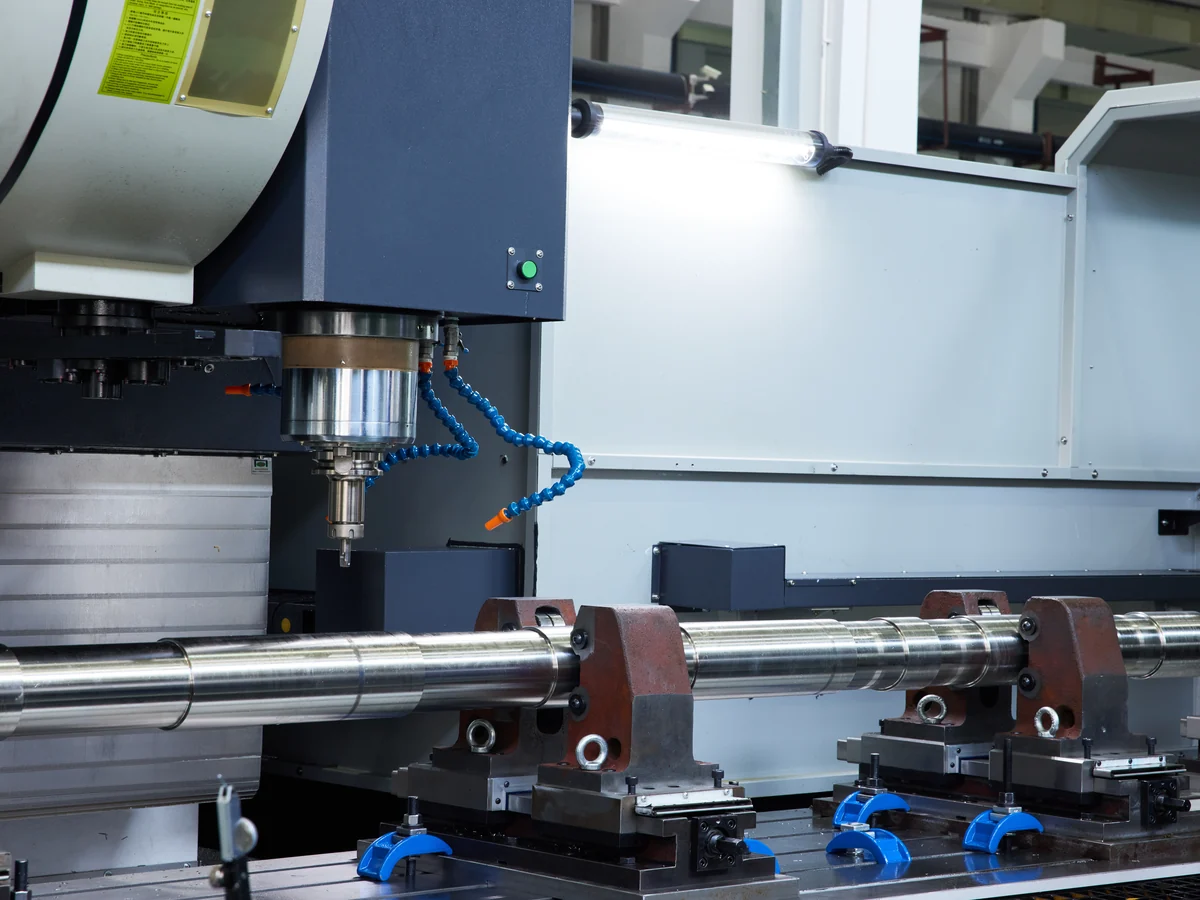
Long structural part held on multiple steady rests, machined in one pass
Long structural part — supported along its length, cut in one pass

OEM-Equivalent Parts at China Cost

Many robot programs run on components originally designed around overseas suppliers — with long lead times and premium prices to match.

We manufacture dimensionally compatible replacement parts, built strictly to your drawings and specifications — the same geometry, the same tolerances, the same material standards.

The capability is already proven on harder parts: the same five-axis machining, precision grinding, and in-house surface treatment that run our deep-sea programs. And the whole supply chain sits on our own floor — raw material, machining, heat treatment, coating, inspection — so you are not paying a subcontractor’s markup, and no outsourcing means no extra lead time.

For volume programs, that structure is where the cost advantage comes from. Send the drawing, and we will quote against your current source.

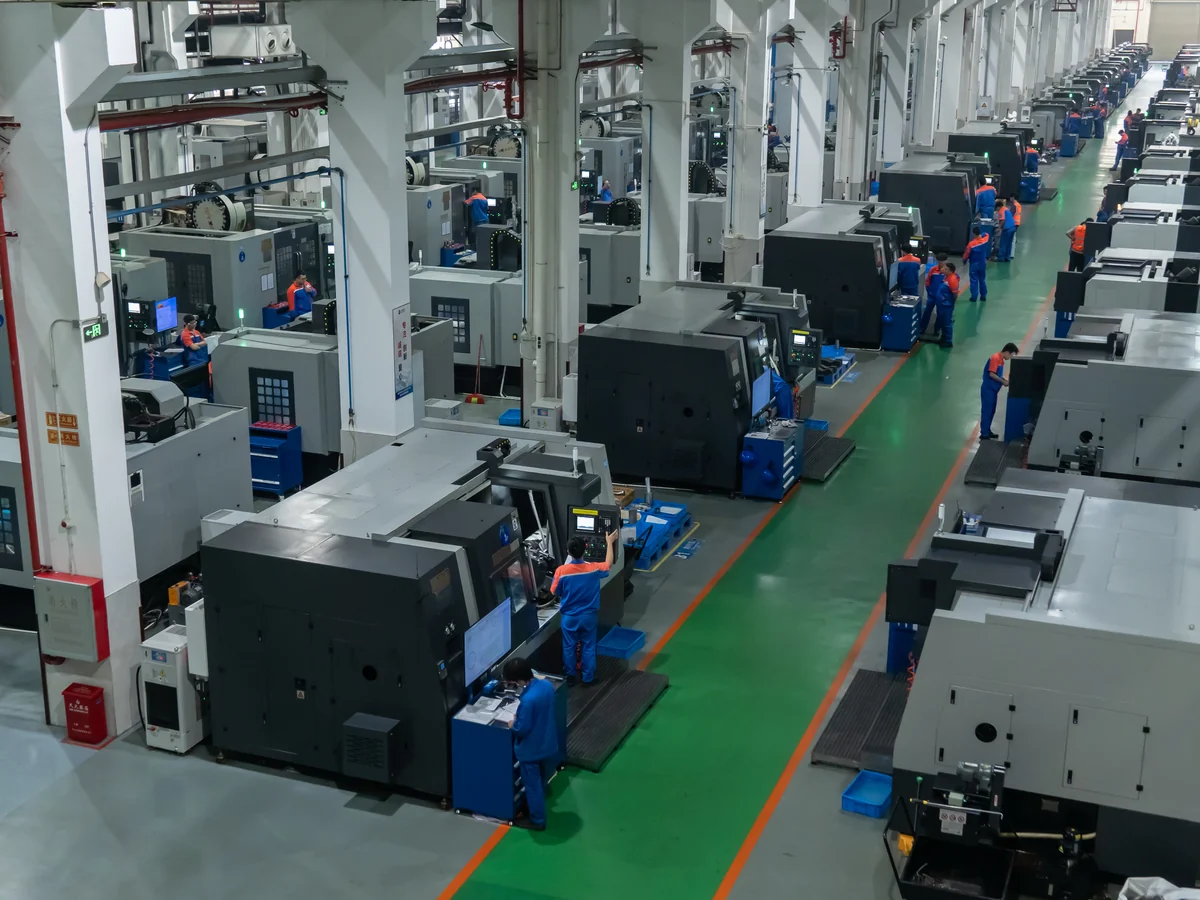
Machine hall — rows of machining centres down the aisle, operators at their stations
On the floor — raw material to inspection, one building

FAQ

Q: Have you machined parts for industrial robots?

Our focus is engineering manipulators — deep-sea and heavy-payload workshop units. We also machine parts for medical manipulators, where failure tolerance is just as low. Complete deep-sea manipulator arms are currently in production, with everything except the hydraulics and the electronics made in-house. The same machining, grinding, and coating processes apply directly to your manipulator parts. Send us your drawing and we will tell you honestly what we can hold.

Q: What batch sizes do you support?

From prototype quantities for research institutes through batch production. Our rapid prototyping line was built for R&D-stage customers, and our machining floor runs batch programs for oilfield and marine programs today.

Q: What about special materials or coatings?

Titanium, specialty stainless, and hard-wearing alloys are routine for us — and so are conventional materials like aluminum. All surface treatment applied to improve part performance — coating, plating, anodizing-grade finishes — is done in-house, so coating adhesion and process compatibility are our responsibility, not a subcontractor’s.

Q: Can you make replacement parts for components we currently source elsewhere?

Yes — dimensionally compatible parts manufactured strictly to your drawings, with material certificates and inspection reports. Details on our IP & Compliance page →

See all questions we get asked →

Send the Joint That Sets Your Robot’s Accuracy

Upload your drawing — a joint housing, a structural link, or any precision manipulator part. Within 24 hours, an engineer will respond with manufacturability feedback and a quote.

Related: Deep-Sea Manipulator Components|5-Axis Machining|Special Processes

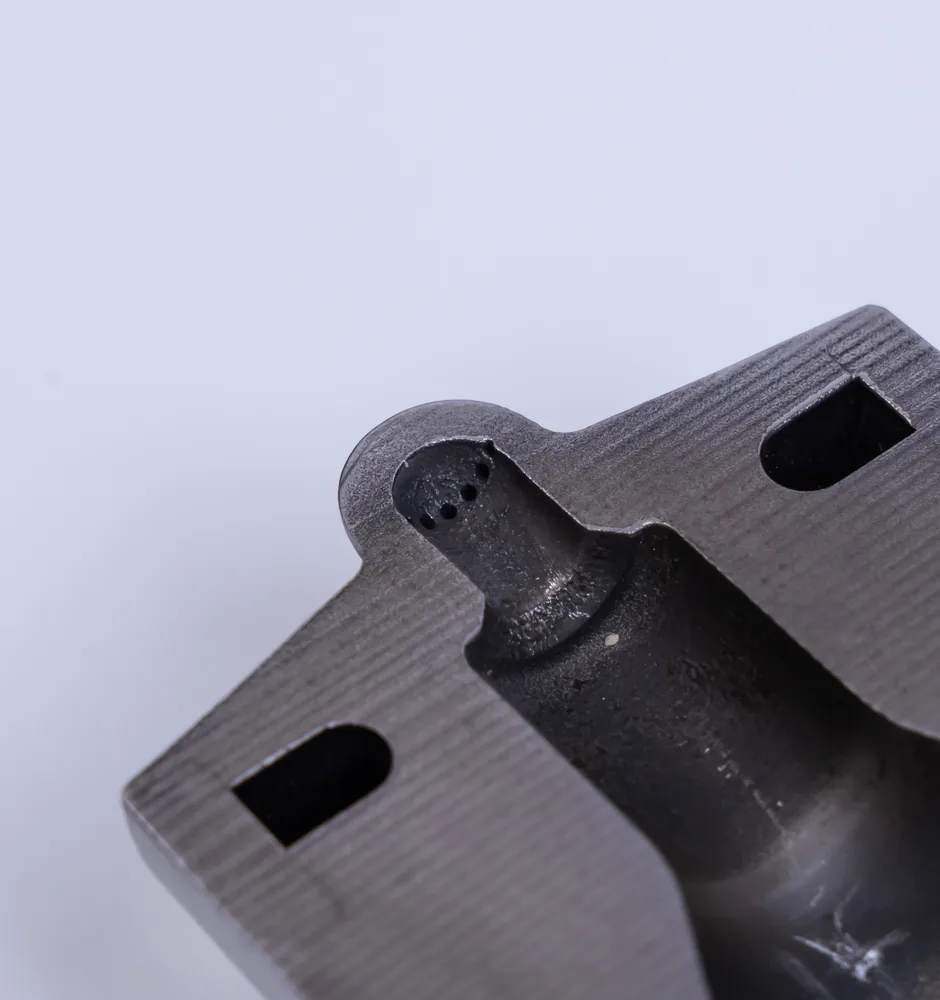
Ball-end pin on a white background — spherical seating surface
Ball-end pin