Two Mechanisms, Not One
Most hard materials are hard in one way. These alloys are hard in two, and the two compound:
Spring-back. The alloy stores elastic energy as the cutting edge pushes through it. While the tool is in the bore, that energy is held. After the tool passes, stress redistributes, the material relaxes, and the bore drifts. A bore that measured in tolerance at the machine can end up out of tolerance once it is cool and free.
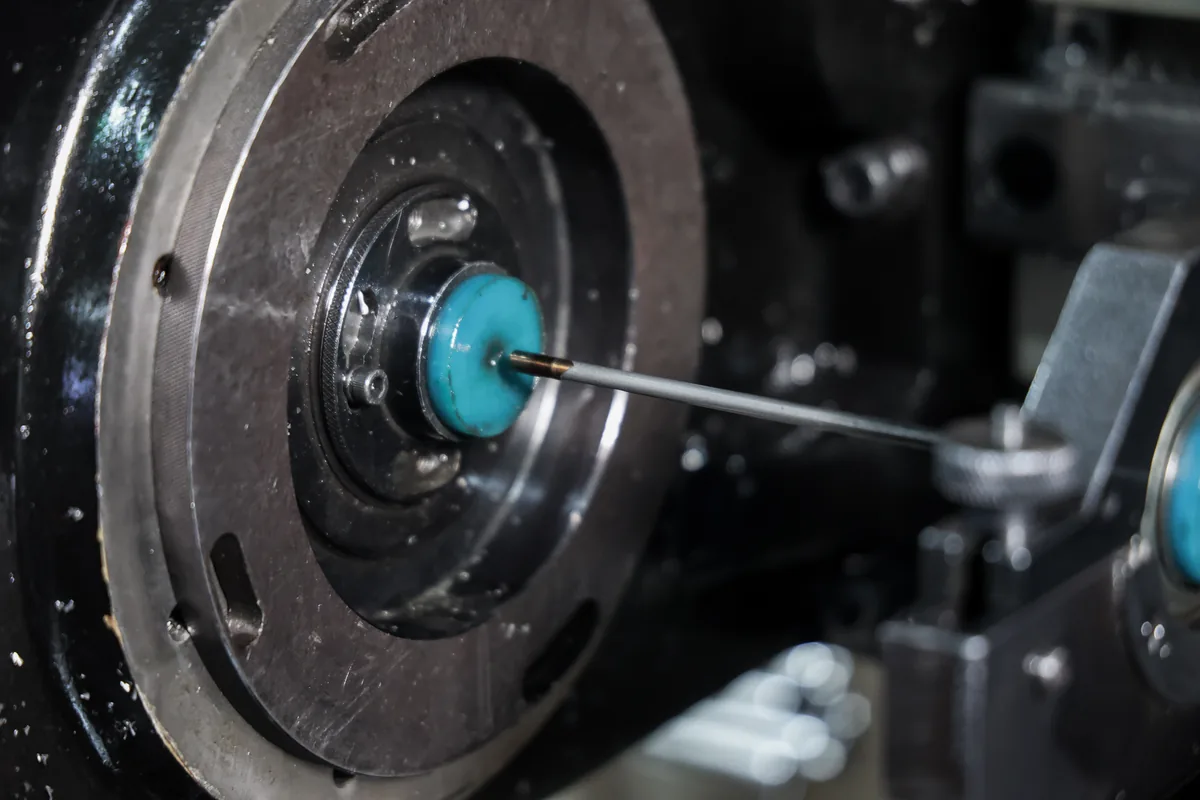
Work-hardening. Like their nickel-alloy cousins, these austenitic grades harden under the edge. Rub them with a dull tool and the surface hardens mid-cut, so the next pass is cutting something harder than the drawing specifies — and the pass after that harder still.
Neither mechanism is exotic. What makes these alloys a specialist job is that they arrive together, in the same cut, on a part whose tolerance is usually tight.
Why a Deep Bore Makes It Worse
Spring-back and work-hardening both scale with how far the tool has to travel. In a shallow bore the material relaxes into a wall that is close by, and the geometry barely notices. In a deep bore there is nothing to hold the bore on line: every millimetre of relaxation adds to the next, and the deviation accumulates along the length.
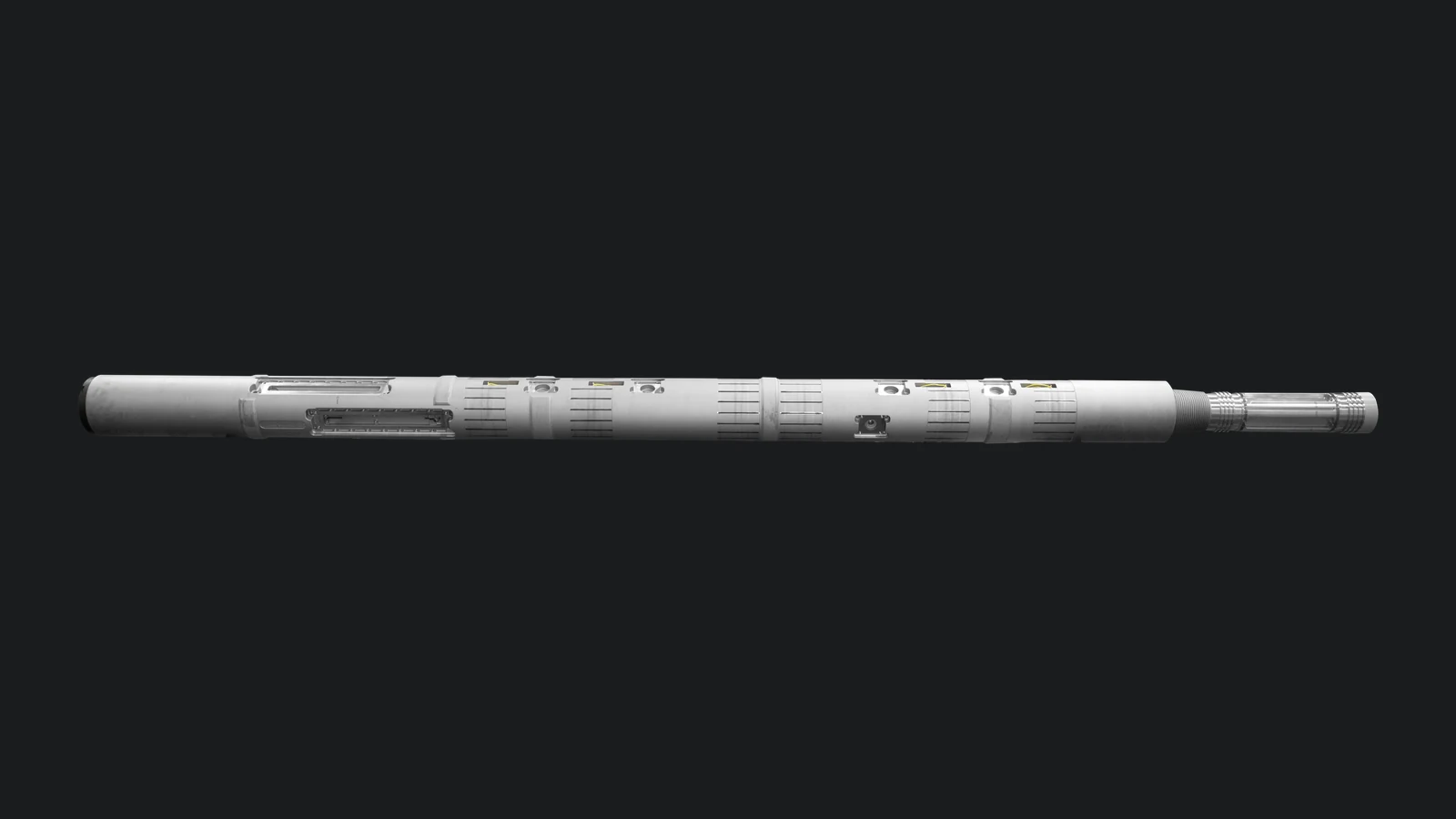
This is why the same alloy that machines acceptably as a short part becomes a genuine problem at ten diameters, and a specialist job at a hundred. It is also why non-magnetic drill collars — long, deep-bored, tight-tolerance, and made from exactly these grades — are a useful test of whether a shop has actually done the work.
The Number Behind It
On a relative machining-difficulty scale — carbon steel = 1.00, higher means harder to cut — here is where these alloys sit:
Relative machining-difficulty coefficient — carbon steel = 1.00, higher means harder to machine.
P550 sits at 3.47 — roughly three and a half times the cutting resistance of carbon steel, and in the same league as titanium. Note the direction of the scale: this is a difficulty index, not a machinability rating. Higher means harder to cut.
The Four Things to Put in the RFQ
Because these alloys move, the useful information is not only what the part is, but where the effort belongs:
- The permeability requirement
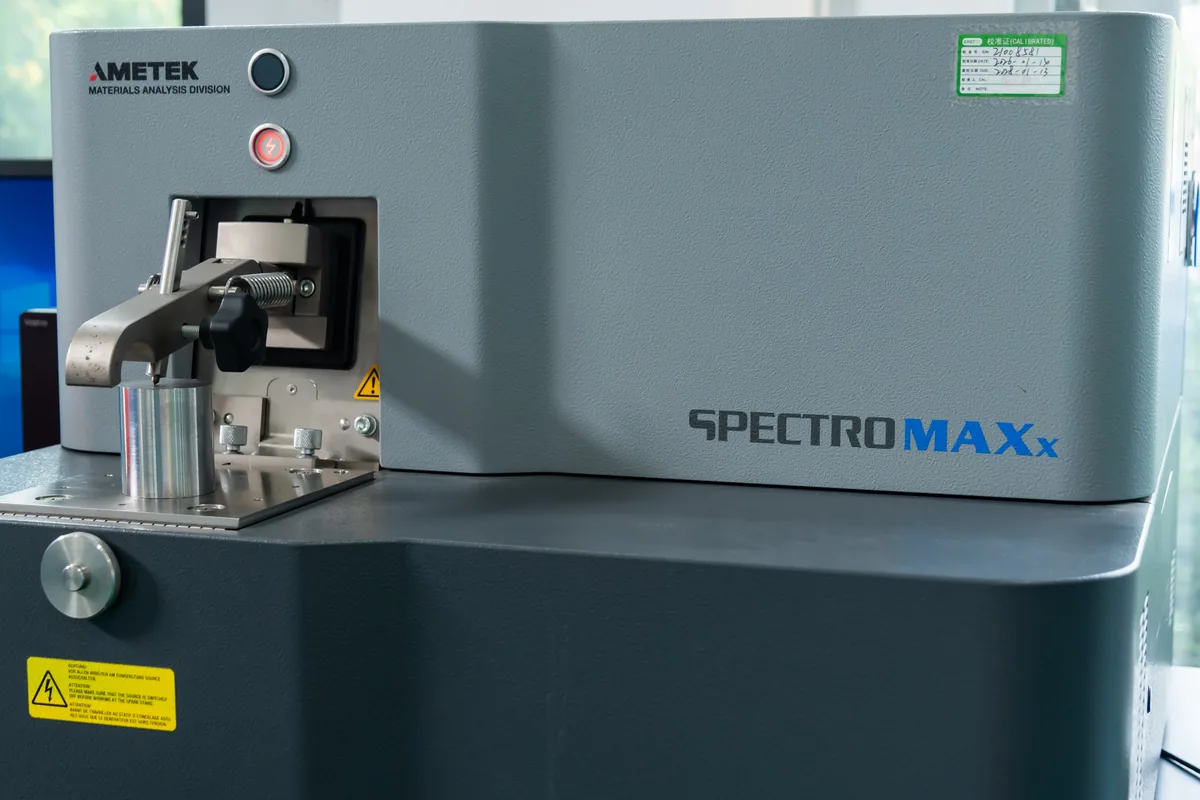
This is the reason you chose the alloy, so state the number you need — and say who will measure it. Permeability is a specification, not a certificate: the shop should be verifying incoming material against your figure, not against a mill’s word
- The grade, and the condition of the blank
P550, 15-15HS MAX and the other high-nitrogen austenitic grades are not interchangeable, and the same grade behaves differently stress-relieved and as-rolled. If the blank is already stress-relieved, say so — it is the single most useful sentence you can add about material
- Which dimensions are functional, and which are not
A deep-bored collar has a handful of dimensions that decide whether the tool works downhole, and a long list that merely have to be reasonable. Marking the difference lets the route spend its effort where the function is — and stops a tight callout on a non-functional diameter from driving the price
- Whether there is a mating part
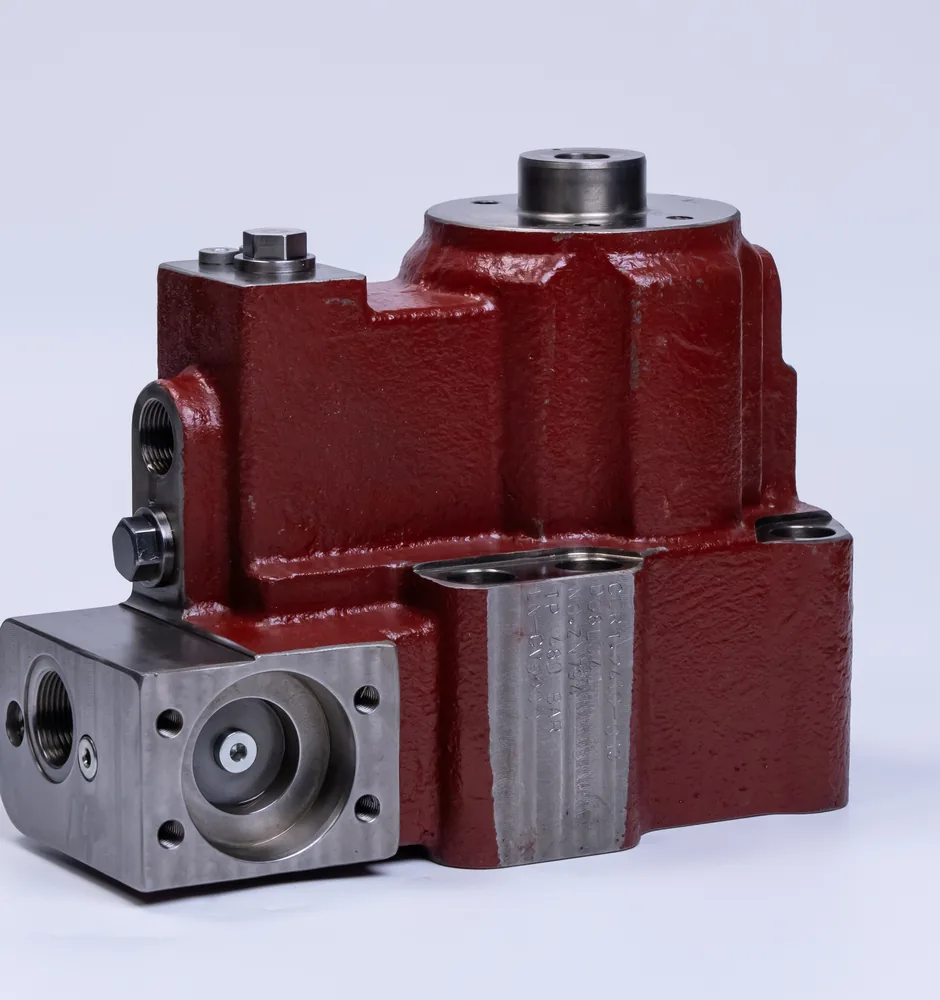
Plunger and barrel pairs, seal faces, bearing seats: if two parts work together, they have to be made as a pair, because a bore that relaxes after machining relaxes differently depending on when it was cut. Say so on the drawing
None of these four is about how the part is made. All four change what the shop can promise.
What Gets Verified
Because the alloy is chosen for a magnetic property, the paperwork around it matters as much as the machining:
Permeability is worth one more sentence, because it is the one item buyers most often treat as paperwork. MWD/LWD tools navigate by magnetometer and measure the formation by electromagnetic signal. A collar with a stray magnetic signature distorts the compass reading and the tool stops knowing where it is. That is a functional failure, not a documentation gap.