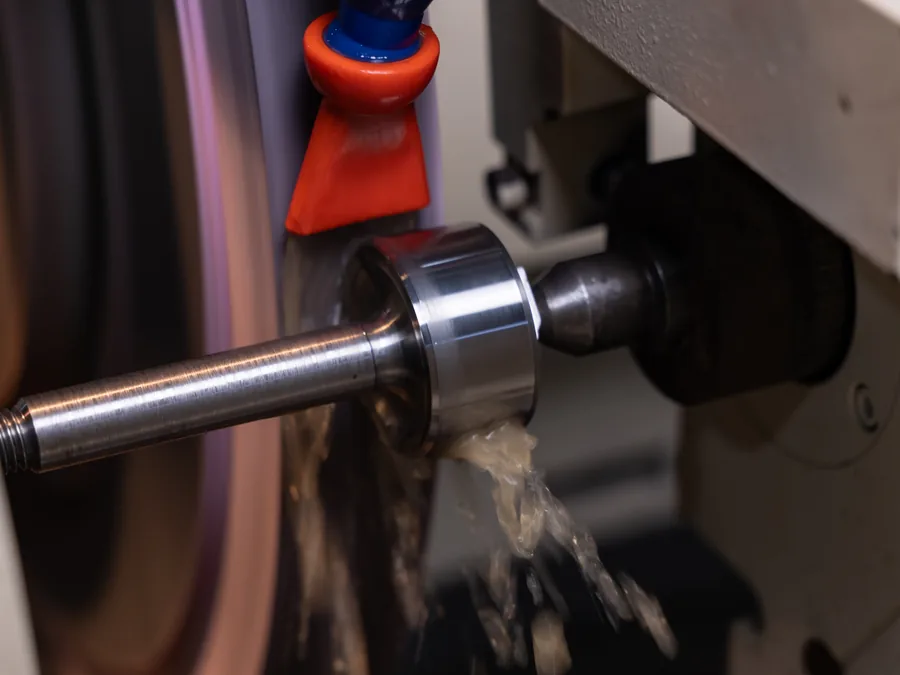
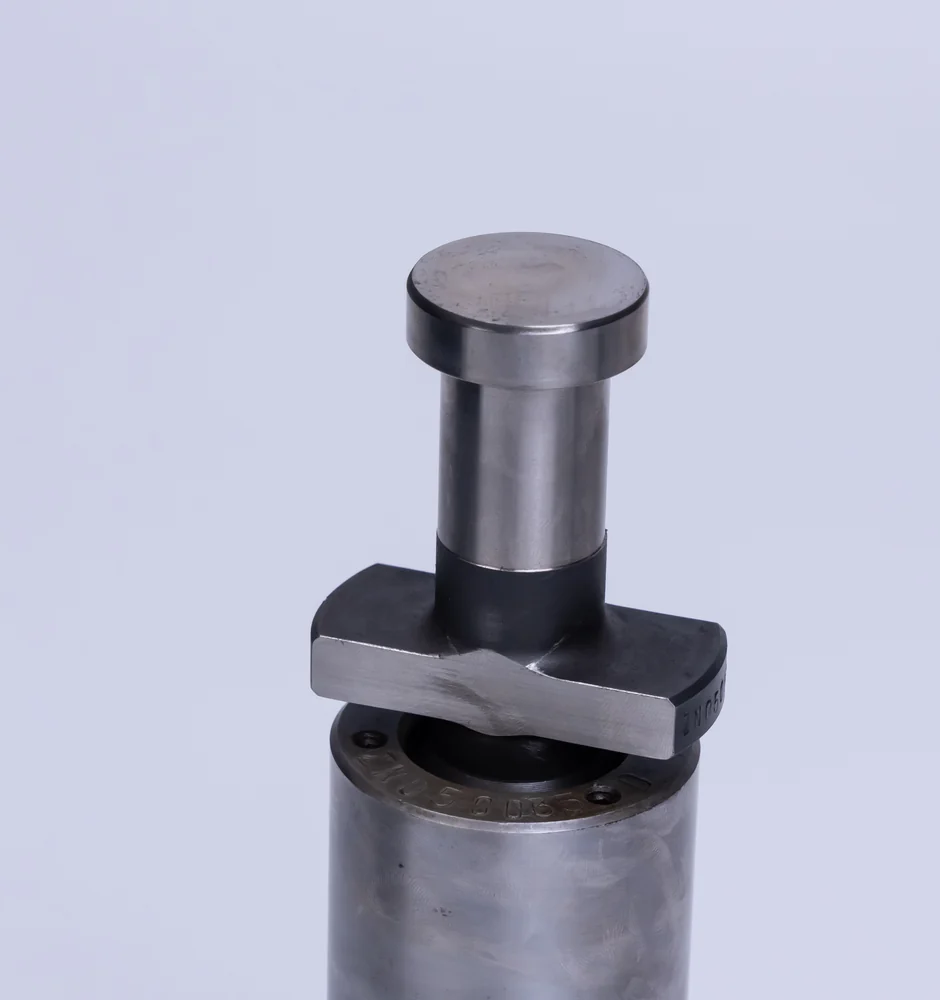
At depth, a failed part is never just a warranty claim. Service and spares exist — but only after the vehicle comes home.
Complete deep-sea manipulator arms — seven-function, hydraulically driven — are in series production at Zhongnan Machinery today: every part except the hydraulics and the electronics machined in-house, in specialty alloys, rated to the 5,000-metre class.
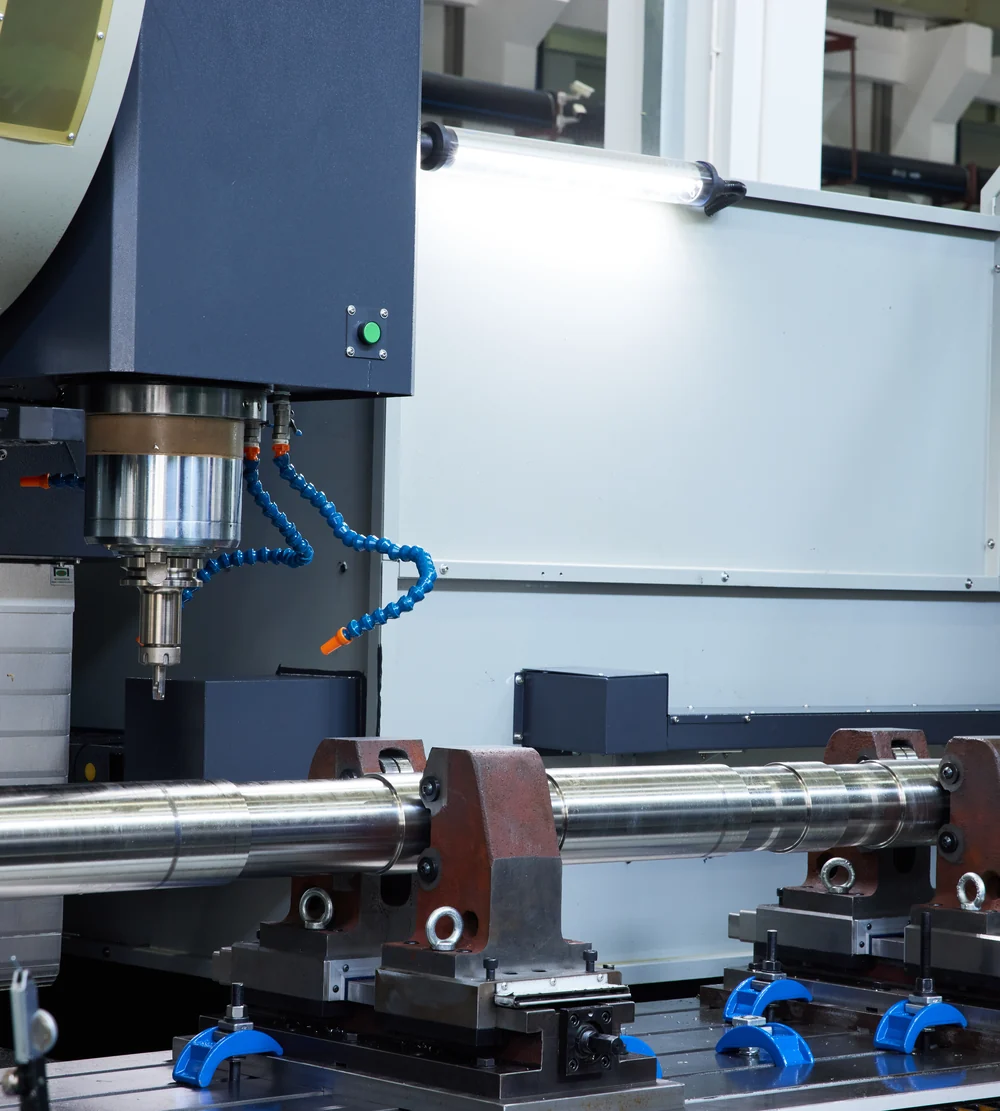
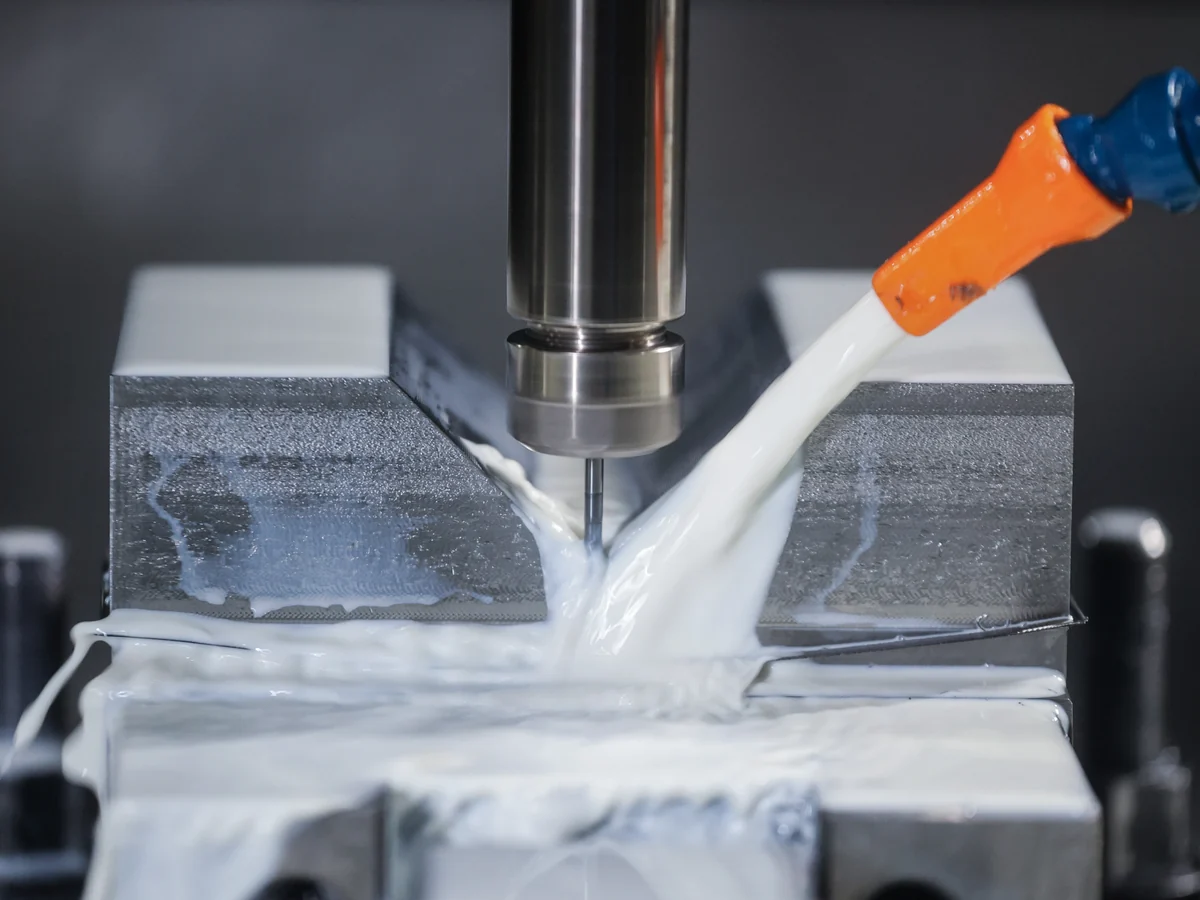
Most machine shops can make one part of a manipulator. Very few can make all of them.
A manipulator arm is a chain of interfaces: joints that must hold position, links that must not deflect, seals that must not weep at pressure. When those parts come from different shops, every interface is somebody else’s tolerance — and at depth, the tolerances stack.
We can machine the whole set — and every interface-critical part is machined in-house, under one quality system. Where a non-critical part costs less from a qualified partner, we will tell you so and manage it ourselves. What never leaves us: the tolerance chain, the material verification trail, one dimensional report per part, and single-party accountability when the arm is assembled. That is not a capacity statement; it is an interface statement.

Everything except the hydraulics and the electronics.
Thin-wall rigidity and multi-face positional accuracy: the joint has to hold position under load, and it has to do it with walls thin enough to keep the arm’s weight down
Specialty alloys, with distortion control over length. A link that deflects does not fail loudly; it just stops being accurate
Sealing-grade surfaces in corrosion-resistant alloys. These are the parts that decide whether the arm’s internals ever meet the sea
Tooth profile accuracy, surface finish, and dimensional stability after heat treatment
The balance of the assembly, machined in-house on the same routing discipline
Complete arms are being built today, not prototyped
Every machined part of the arm comes from one shop under one quality system
The service depth range of the program
Including in-house coating and surface treatment, so the seal surfaces never leave the building
Every arm passes static-load testing at 1.25–1.5× rated load and a 30-minute pressure hold at full system pressure
The same 100% dimensional reporting standard that applies to every other part we ship

You do not have to be building a deep-sea arm.
If a part’s failure is not an option — because it is unreachable, because it is safety-critical, or because the downtime costs more than the part — the discipline that made this arm is the discipline you are buying:
Nothing is quietly subcontracted; if a non-critical part is better sourced from a qualified partner, we tell you so
We will tell you what we can hold, and what we cannot
We also machine medical manipulator parts, where failure tolerance is equally low. Our focus is engineering-class manipulators — deep-sea and heavy workshop arms — not consumer robotics.
In series production today.
Every part of the arm except the hydraulics and the electronics — joint housings, structural links, pressure-compensation seal parts and the rest of the machined assembly.
5,000-metre class.
Yes. Engineering-class manipulators are our focus — deep-sea and heavy workshop arms. Medical manipulator parts are also within our capability; the failure tolerance is comparable.
No. Machining, grinding, heat treatment, coating and inspection all run in-house.
Upload your drawing — a joint housing, a structural link, a seal part, or any manipulator component. Within 24 hours, an engineer responds with manufacturability feedback and a quote.
Related: Robotics Industry|Precision Grinding|Special Processes