Deep-Sea Manipulator Components

A robot that fails on a factory floor gets serviced. A robot that fails kilometers underwater waits for the vehicle to come home.

Joints, arm links, and pressure-compensation seal components for deep-sea manipulators — titanium and specialty alloys, sealing faces ground to Ra 0.4 μm, complete arms in production today. Upload your drawing via the RFQ form below — an engineer replies within 24 hours.

Five-axis machining in progress — the work itself, not the customer's part
In productionComplete armsEverything but hydraulics and electronics

Why you won’t see the arm on this page. Every program we run is bound by confidentiality agreements — including the deep-sea manipulator arms in production on our floor right now. Part categories are yours to see; part geometry is not ours to show. The discipline that protects their programs protects yours. What we can show is the work itself: machines, processes, measured results.

Capability at a Glance

ItemCapability
Part familyJoint housings, arm/structural links, pressure-compensation seal components, transmission shafts down to Ø10 mm — the machined parts for complete arms
MaterialsTitanium TC4 / TC11 / TC18, high-strength alloy steels (34CrNiMo6, 42CrMoA), 17-4 PH, duplex stainless, aluminum alloys, specialty alloys
Machining tolerance±0.01 mm at the machine; ±0.005 mm with in-house grinding
Sealing surfacesGround to Ra 0.4 μm; cylindrical roundness to 0.001 mm; internal concentricity 0.002 mm
Grinding equipmentVOUMARD 5A internal grinder (Φ200 × 1,000 mm, Switzerland), Studer S30-1 universal cylindrical grinder (Φ280 × 1,000 mm, Switzerland), MQ1350B (φ500 × 3,000 mm)
5-axis envelopeSimultaneous 5-axis on Mazak VARIAXIS i-800 / C-600 (to φ800 / φ630 mm); large parts on self-built FWG-M1260 five-face gantry, travels to 12,000 mm
Turning envelopeTo Ø800 × 8,000 mm; mill-turn in one clamping (Mazak INTEGREX i-500S / i-400S)
Surface engineeringHard chrome, electroless nickel, PTFE coating; vacuum heat treatment to 1,250 °C — all in-house
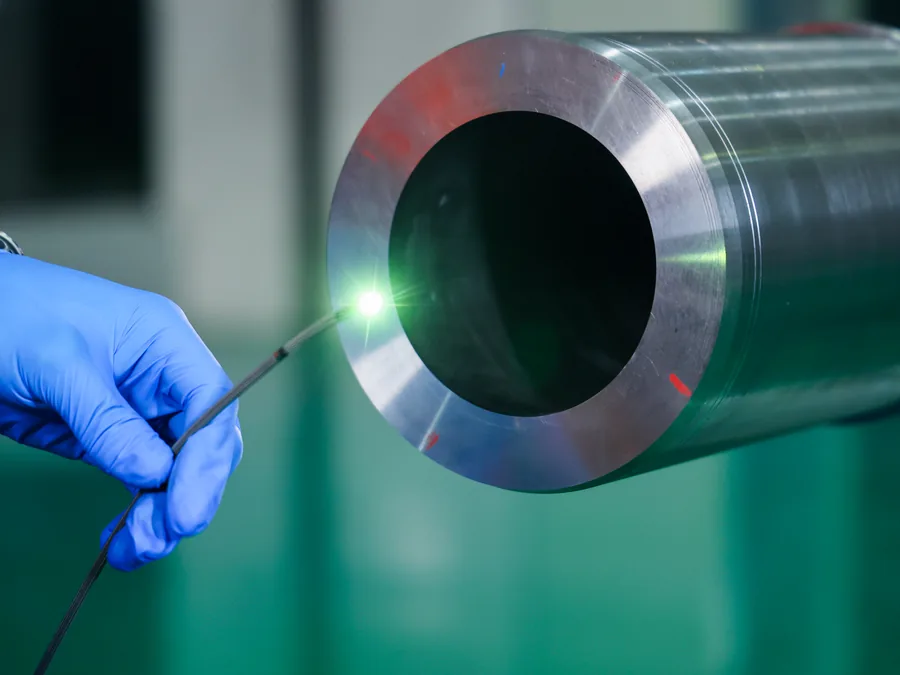
InspectionCMM; GOM ATOS 3D scan; UT and dye-penetrant NDT; borescope for internal features
Quality systemISO 9001, TÜV Rheinland, since 2002

Why This Part Is Hard

A deep-sea manipulator works at depths where pressure reaches tens of MPa, seawater corrodes everything it touches, and no service crew will ever visit. Every machined part carries two jobs at once: structural strength against external pressure, and sealing geometry that keeps that pressure out of the joint.

Pressure-rated sealing is a surface problem. Pressure-compensation seals live on bores, grooves, and mating faces. At depth, a sealing surface that is “close enough” is a leak on a schedule. Concentricity between seal bores and bearing seats, micro-level roundness, and controlled surface finish are what make a pressure-compensated joint survive — and they must hold in titanium and high-strength alloys that fight every tool.

Corrosion decides the material; the material decides the process. Titanium TC4/TC11/TC18, duplex stainless, and high-strength steels each demand their own tooling strategy, their own heat treatment, and coatings that survive seawater. Coating adhesion is not a finishing detail — it is a design feature that must be engineered into the machining dimensions before the first cut.

How Zhongnan Machinery solves it. We machine the complete set of structural parts for deep-sea manipulator arms — joints, links, and pressure-compensation seal parts, everything except the hydraulics and the electronics — and complete arms are in production on our floor today. Sealing faces are finished on our own grinding floor: roundness to 0.001 mm, concentricity to 0.002 mm, sealing-surface finish to Ra 0.4 μm, with Ra 0.1 μm achievable where the drawing calls for it. All surface treatment — plating, coating, vacuum heat treatment — stays in-house, so coating adhesion and process compatibility are our responsibility, not a subcontractor’s, with the coating allowance engineered into the machining program. And because our machine-tool subsidiary designs and builds our equipment — from five-axis machining centers to our gun-drilling line — process windows that do not exist, we create.
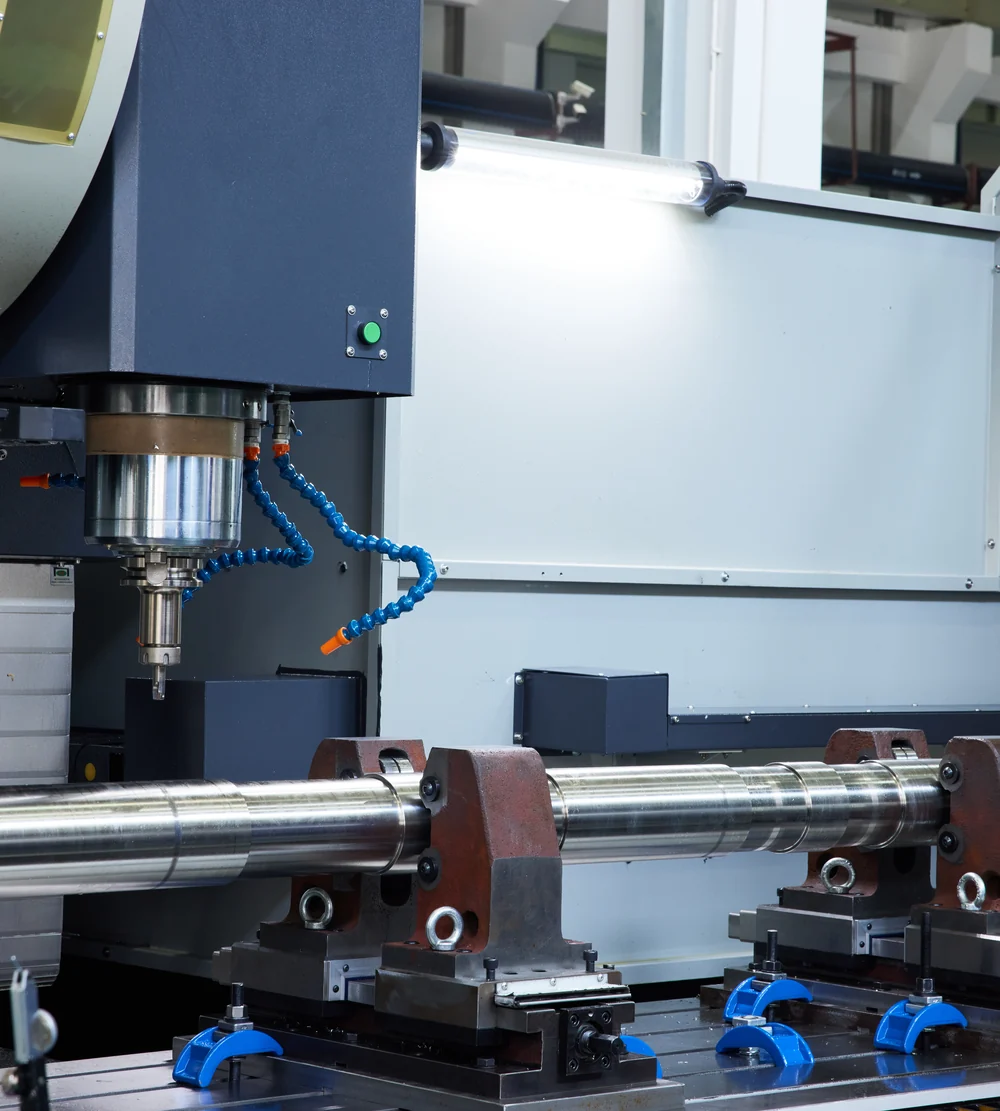
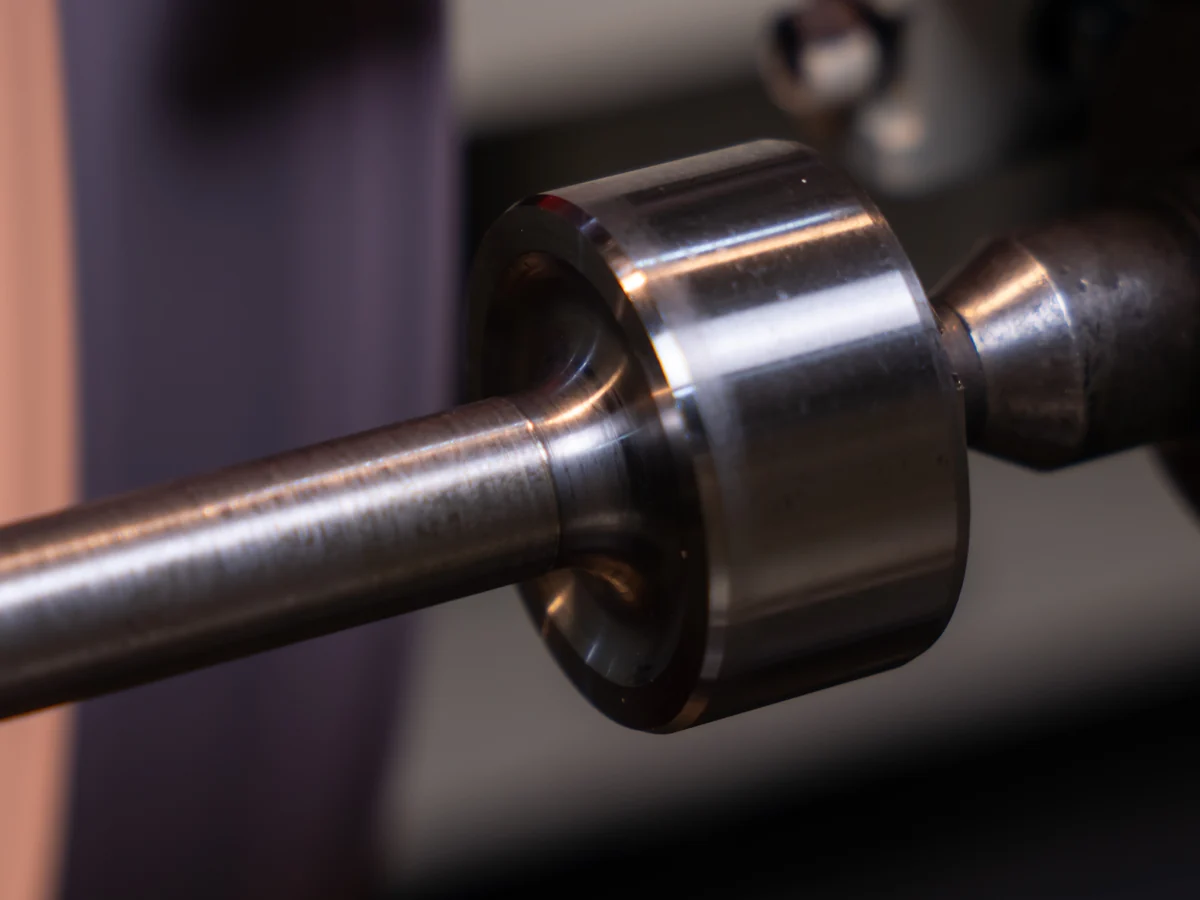
Machining in progress on the shop floor
The work itself — machining the structural set

Process & DFM

A typical route: incoming material verification (spectrometry, mechanical testing in-house) → five-axis machining or mill-turn in one datum framework → vacuum heat treatment → grinding of seal bores, bearing seats, and mating faces → coating or plating to print → full dimensional verification, with borescope inspection of internal features.

At RFQ, our engineers review what manipulator drawings routinely hide: concentricity stack-ups between seal bores and bearing seats, whether a coating callout has its allowance engineered into the machined dimensions, galling risk on titanium mating features, and whether deep internal passages can be gun-drilled as drawn. You get the flags before you get the invoice. Every quotation is calculated from your drawing, material, and quantity — we do not provide instant quotes.

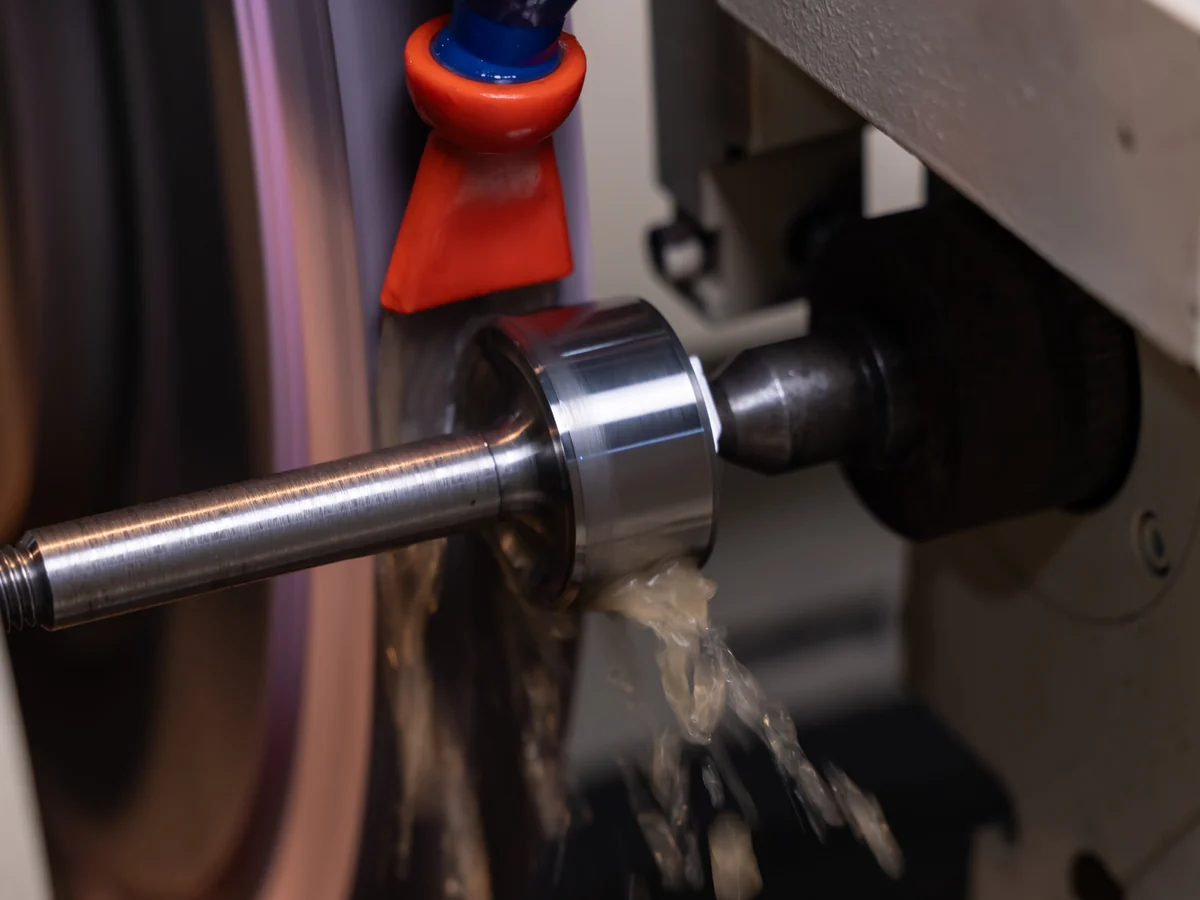
Cylindrical grinding of a slender part — wheel contact, coolant flooding the gap
Seal faces and bearing seats ground in-house — 0.001 mm roundness

Materials & Surface Treatment

Titanium TC4 / TC11 / TC18 — the strength-to-weight answer for arm structures; machined and ground as routine on our floor.

High-strength alloy steels (34CrNiMo6, 42CrMoA) and 17-4 PH — for shafts, pins, and load-path components.

Duplex stainless and specialty alloys — where corrosion sets the design constraint.

Surface engineering is a core discipline at Zhongnan Machinery, all in-house: vacuum heat treatment to 1,250 °C, hard chrome and electroless nickel plating for wear and corrosion surfaces, PTFE coating, and shot peening — with coating allowance engineered into the machining program so dimensions meet print after coating.

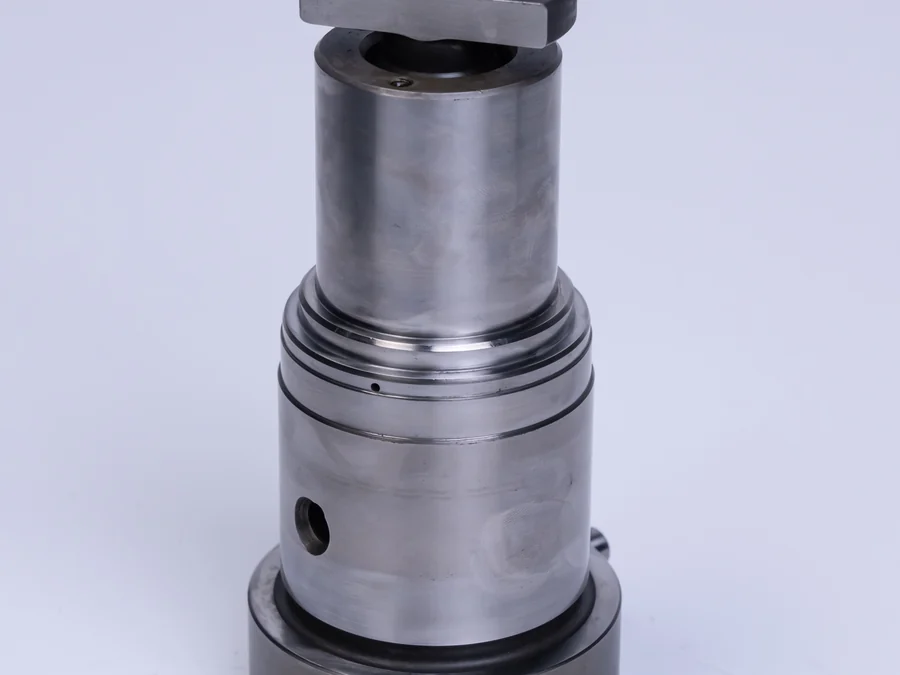
Coated part on a white background — surface treatment done in-house
Coating done in-house — adhesion is our responsibility

Quality You Can Verify

Dimensional inspection — measurement in the metrology lab
Sealing-surface data ships with every order

FAQ

Q: Have you actually machined deep-sea manipulator parts?

Yes — complete deep-sea manipulator arms are in production on our floor today: joints, links, and pressure-compensation seal components, everything except the hydraulics and electronics machined in-house. Upload your drawing and we will tell you exactly what we can hold.

Q: Can you hold sealing-surface tolerances in titanium?

Yes. Seal bores and mating faces are ground in-house — roundness to 0.001 mm, concentricity to 0.002 mm, sealing-surface finish to Ra 0.4 μm, with Ra 0.1 μm achievable — in titanium TC4/TC11/TC18 as routine work.

Q: Do you handle coatings and plating for seawater service?

All surface treatment is in-house: hard chrome, electroless nickel, PTFE coating, and vacuum heat treatment. Coating allowance is engineered into the machining program, so dimensions meet print after coating.

Q: What batch sizes do you support?

From single prototypes through series production, with frozen routings and documented in-process checks.

Q: What is the RFQ process?

Upload your drawing (STEP/DWG/PDF) via the RFQ form below. An engineer replies within 24 hours with manufacturability feedback, followed by a calculated quotation — we do not provide instant quotes.

See all questions we get asked →

Send Us the Part the Ocean Will Test

Upload your drawing via the RFQ form — an engineer replies within 24 hours with manufacturability feedback and a calculated quotation.

Related: Precision Grinding|Engineering Robotics|Special Processes

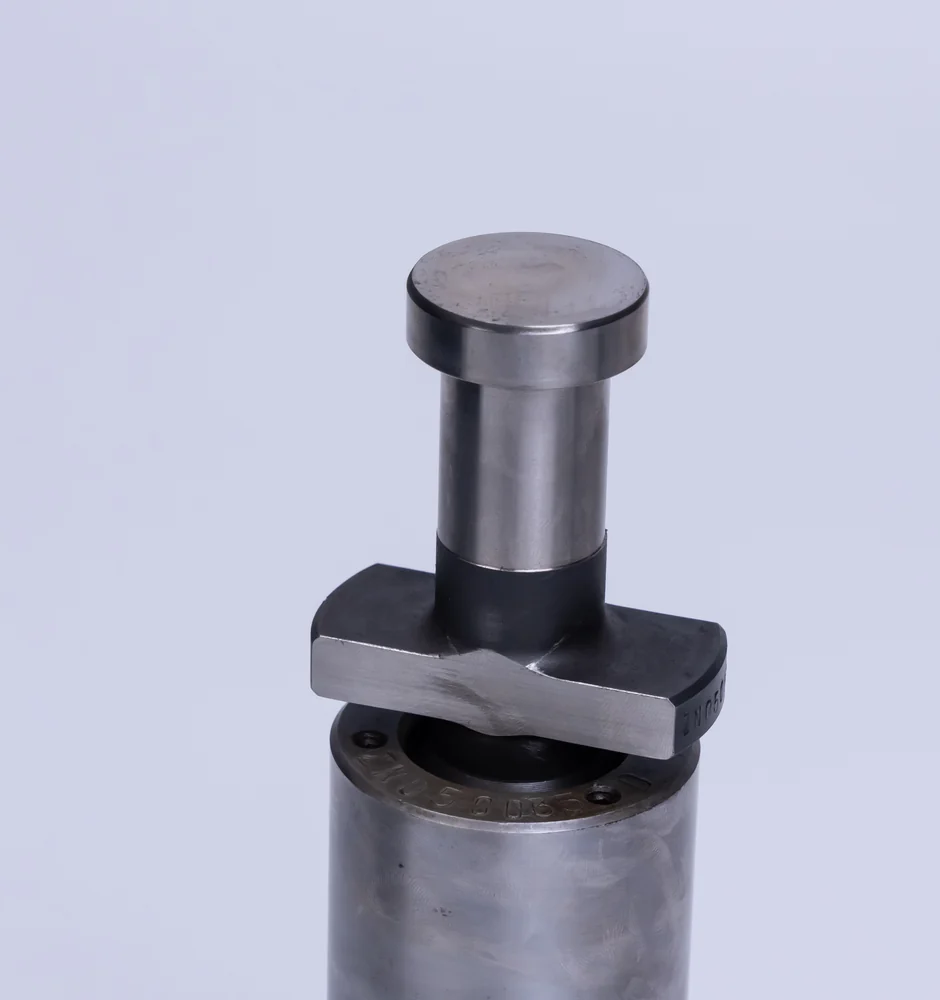
Machined part on a white background
Manipulator component