A prototype is not a rehearsal for the part. It is the part — in a quantity of one.
Prototype, one-off and low-volume custom machining for research institutes and R&D teams — machined on production-grade equipment, in the real alloy, with the same process discipline as our batch programs. One drawing is enough. NDA first, if you prefer.

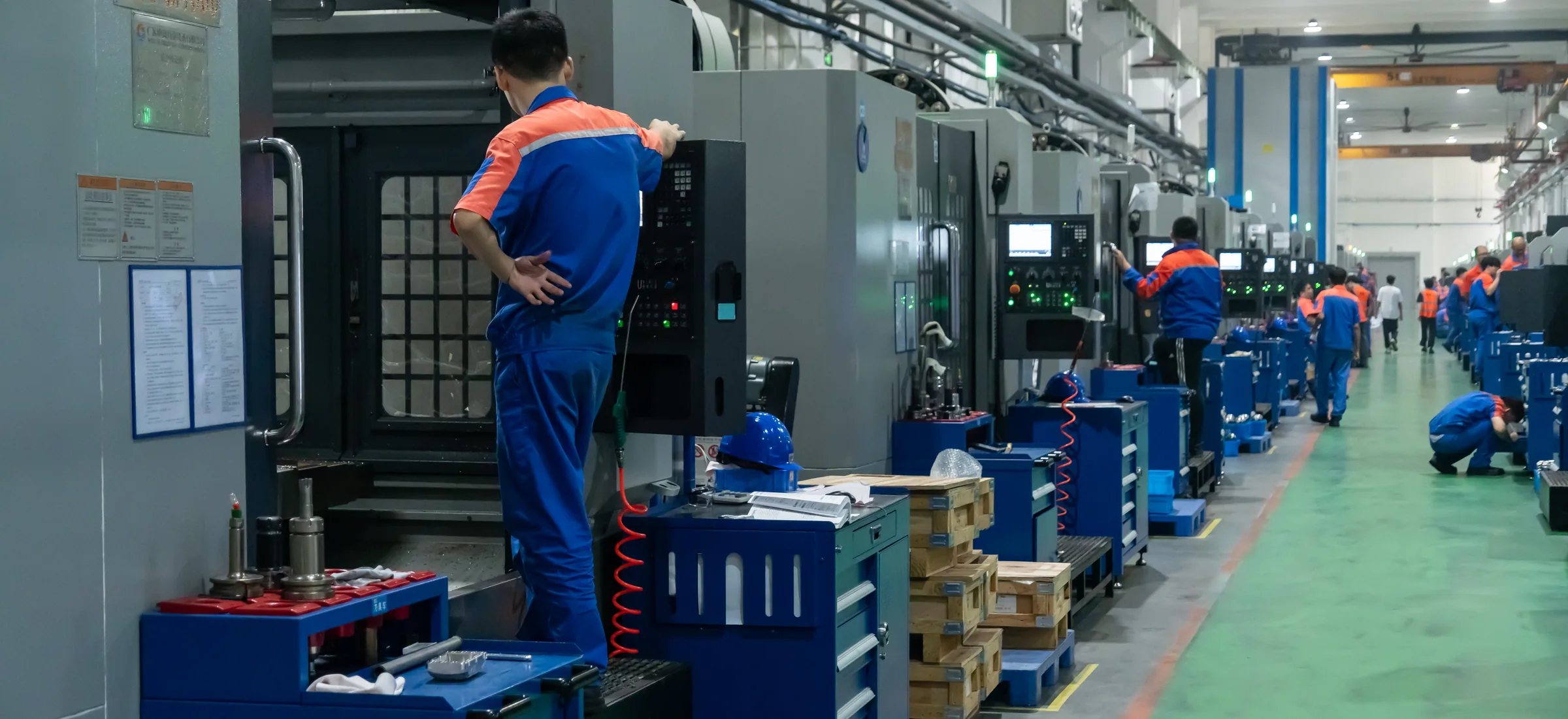
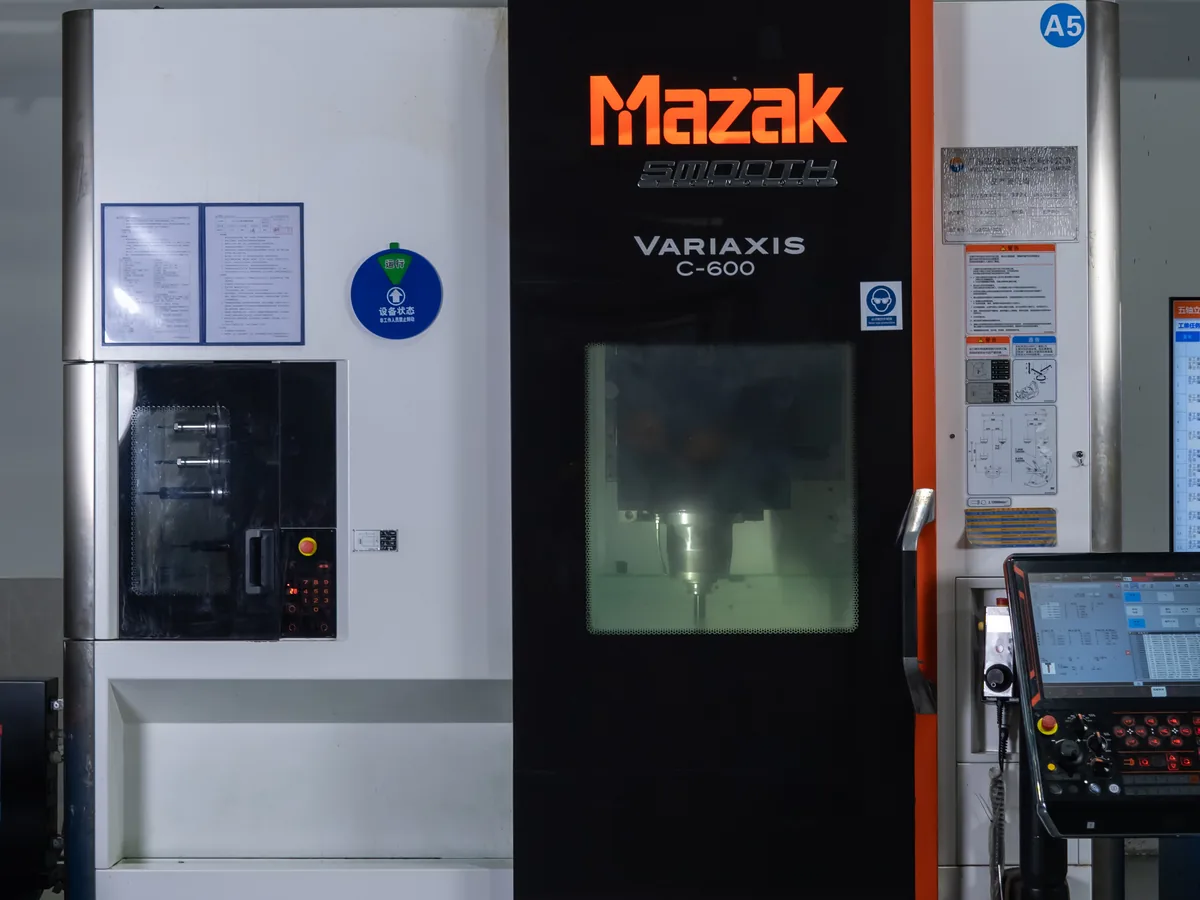
A prototype’s only job is to tell the truth about the production part — and that takes production equipment:
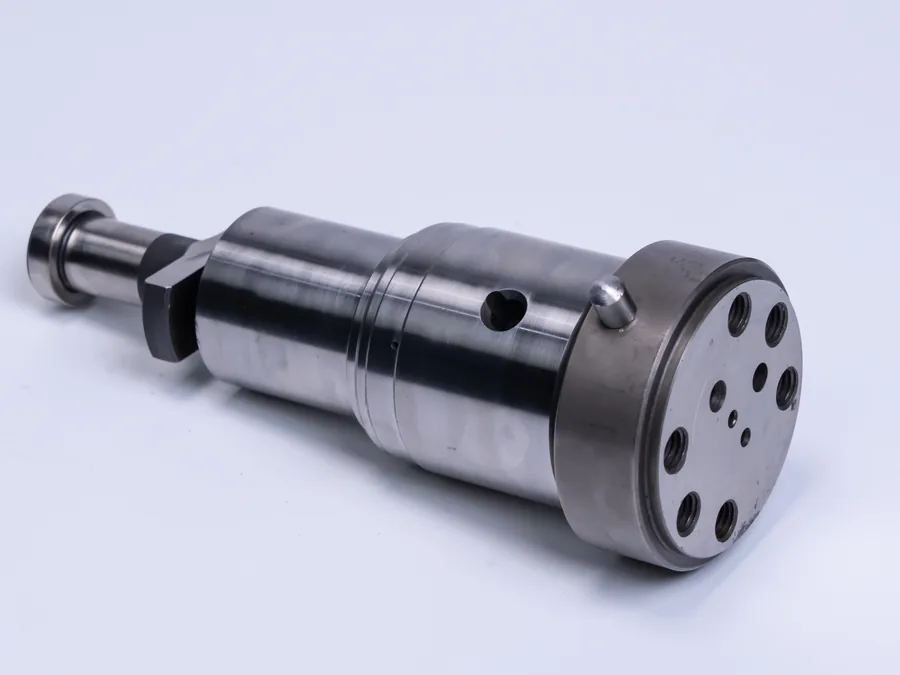
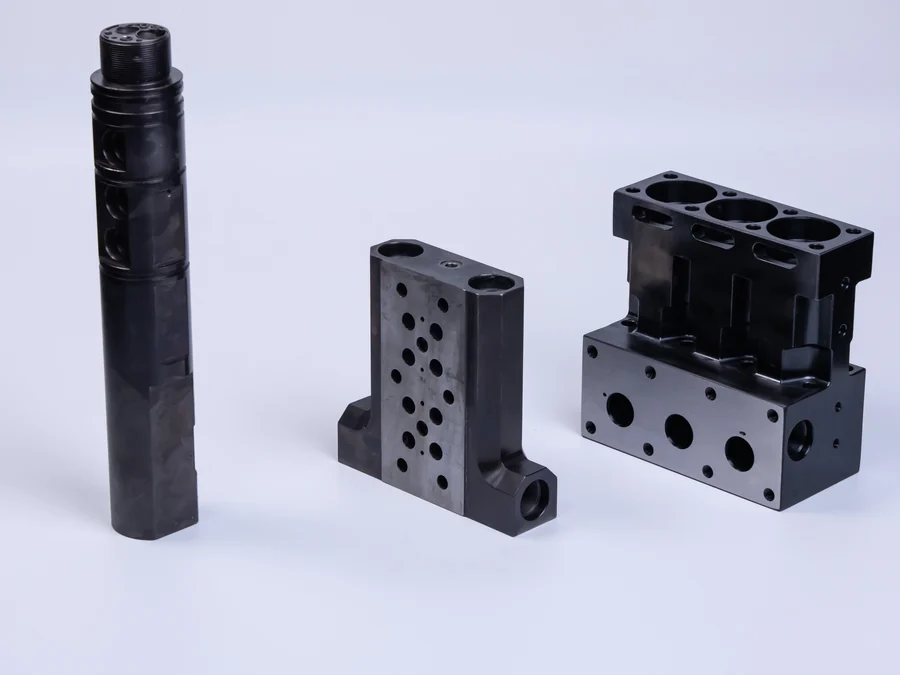
A prototype machined on production equipment, in the specified alloy, with production-grade finishing, tells you how the real part will behave. Any other method tells you about the method, not the part
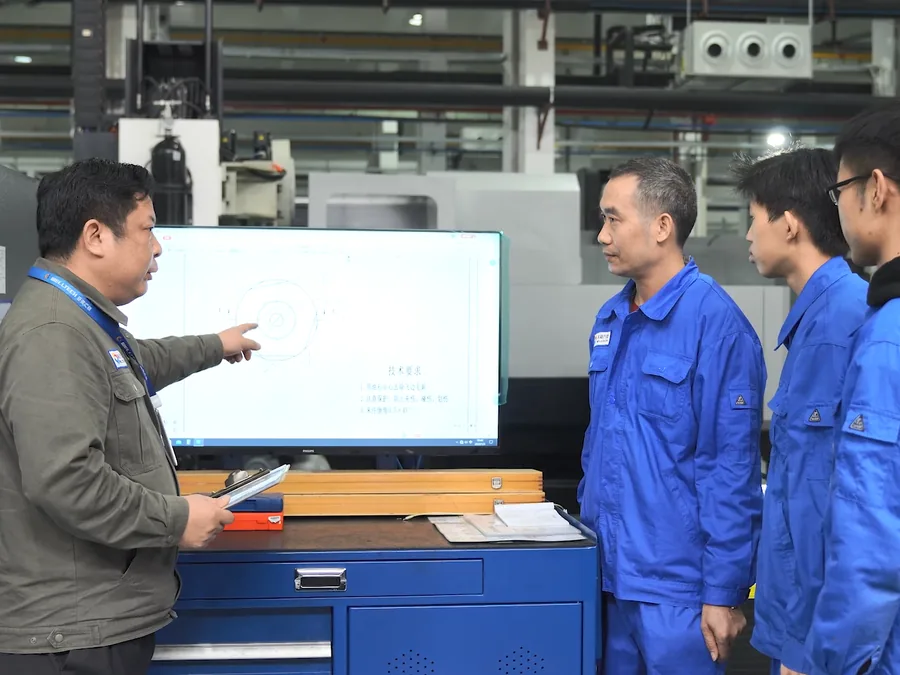
Our engineers read every drawing for manufacturability: tolerance stacks that will fight you, geometries that will distort in hardening, materials that will punish the schedule. You get the flags before you get the invoice
When the prototype passes testing, production starts on the same floor, the same machines, the same process chain. No new supplier audit, no process transfer, no “the production version behaves differently”
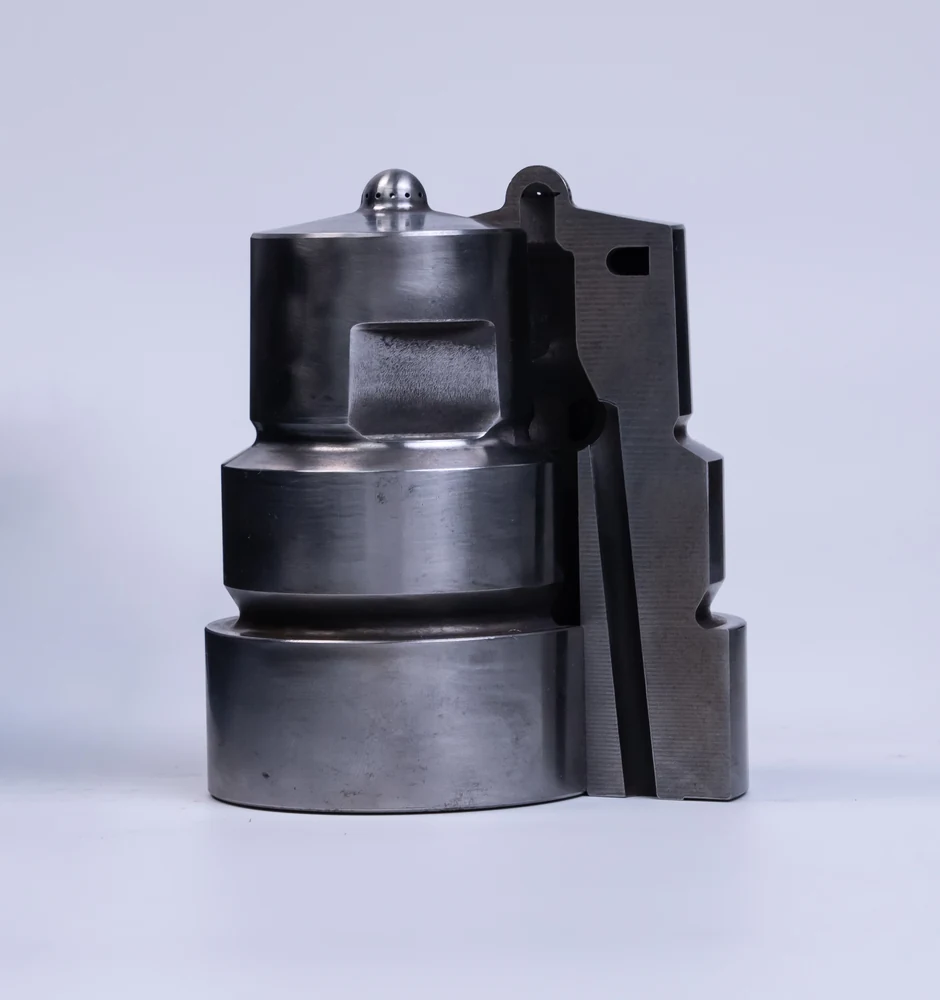
Deep holes, five-axis contours, grinding to Ra 0.1 μm, heat treatment, coating, even metal 3D printing for geometries machining cannot reach: one drawing touches the entire in-house chain

| Dimension | Capability |
|---|---|
| Quantity | From 1 piece — single prototypes to pilot batches |
| Materials | The full production list: Inconel 718, Incoloy 925, P550 & 15-15HS MAX, titanium TC4/TC11/TC18, stainless & alloy steels, aluminum, copper alloys |
| Processes | 5-axis machining, turning, deep-hole drilling (BTA & gun), precision grinding, EDM, heat treatment, coating & plating — all in-house |
| Additive | Metal 3D printing (stainless, titanium, nickel & cobalt-chrome alloys) + in-house finish machining — printed and finished under one roof |
| Documentation | Material certificates and dimensional reports available even for single pieces — research-grade paperwork for research-grade testing |
| Lead time | Set by the material, not the process — alloy lead times move with the market, while our entire process chain stays in-house and under control. Machining starts the day material lands; we confirm the delivery date with the quote |


We have kept a door open for research work since this company began — our founder came out of a national research institute, and one of China’s first industrial metal 3D printers was co-developed here with a university. Research customers get a specific posture from us:
No minimum order economics, no “come back when you have volume”
Research changes its mind; revision #4 of a drawing is normal life here, not a surcharge event
Tell us what the experiment needs to prove, and our engineers will help you get the part to prove it
Unpublished research stays unpublished. NDA first, access limited to your project team

The bridge many projects fall off: the prototype works, and then production starts somewhere else — new machines, new process, new surprises.
Here the bridge is a hallway. The prototype and the ten-thousandth piece share the same floor, the same machines, and the same process documentation. Over 100,000 part types have crossed this shop in three decades — many of them arrived exactly this way: one drawing, one prototype, one test program, then years of production.
When your test concludes, send the result — we will already know how to make the next thousand.
One piece. Research prototypes are a standing line of work for us, not an exception we tolerate.
Complexity and material drive the answer; send the drawing and we will commit to a date, not a range.
Yes, for research work — our engineers can help complete manufacturable geometry from your functional requirements.
Yes — research-grade documentation is available even for single pieces: mill certificates with heat numbers, dimensional reports against your drawing.
Yes — print the near-net shape, finish-machine the critical features, all in-house. That combination is exactly what our additive capability is for → Metal 3D Printing →
Send the drawing — or the sketch, or the functional requirement. NDA first if you prefer. Within 24 hours, an engineer responds with manufacturability feedback and a date.
Related: Capabilities Hub|Metal 3D Printing|5-Axis Machining|IP & Compliance