Marine Exhaust Valve Machining
The hottest seat in the engine — heat-resistant alloys, sealing faces ground to Ra 0.4 μm, stems finished for millions of cycles. In regular batch production.
Precision you can verify — with numbers.
The hottest seat in the engine — heat-resistant alloys, sealing faces ground to Ra 0.4 μm, stems finished for millions of cycles. In regular batch production.
Precision you can verify — with numbers.
| Capability | Detail |
|---|---|
| Heat-resistant alloys | Nickel-base and heat-resistant alloys in regular production — in-house difficulty data: nickel-base alloys at coefficient 9.26 vs carbon steel |
| Stem finishing | Stems finish-ground; diameters 100% measured after grinding |
| Cylindrical grinding | To φ500 × 3,000 mm (MQ1350B); grinding tolerance to 0.005 mm, surface finish to Ra 0.4 μm |
| Heat treatment | Vacuum hardening to 1,250 °C and nitriding — in-house |
| Inspection | Hexagon CMMs, Jenoptik roundness tester (0.1 μm class), Mitutoyo roughness tester — seat runout and stem diameter 100% checked |
| Documentation | EN 10204 3.1 material certificates, dimensional records and heat-treatment reports in every shipment package |
The seat face seals combustion pressure metal-to-metal; its ground finish and geometry decide whether the valve holds compression or leaks. Ra 0.4 μm on seat faces is routine production here, not a best case
Seat angle, seat-to-guide concentricity and stem straightness decide whether the seal survives thousands of thermal cycles. All ground and measured in-house — seat runout and stem diameter 100% checked
Every combustion stroke loads the valve head — mechanical shock and thermal cycling together. Heat-resistant alloy selection plus process discipline keep the thirtieth valve identical to the first
At drawing review we look at: seat angle and sealing-face callouts, guide-fit requirements on the stem, collet-groove geometry, and the fixturing plan driven by the length-to-stem ratio. Manufacturability feedback comes from an engineer within 24 hours; if anything is missing for an accurate quote, we tell you in the same reply. The process route freezes once the first article is approved.
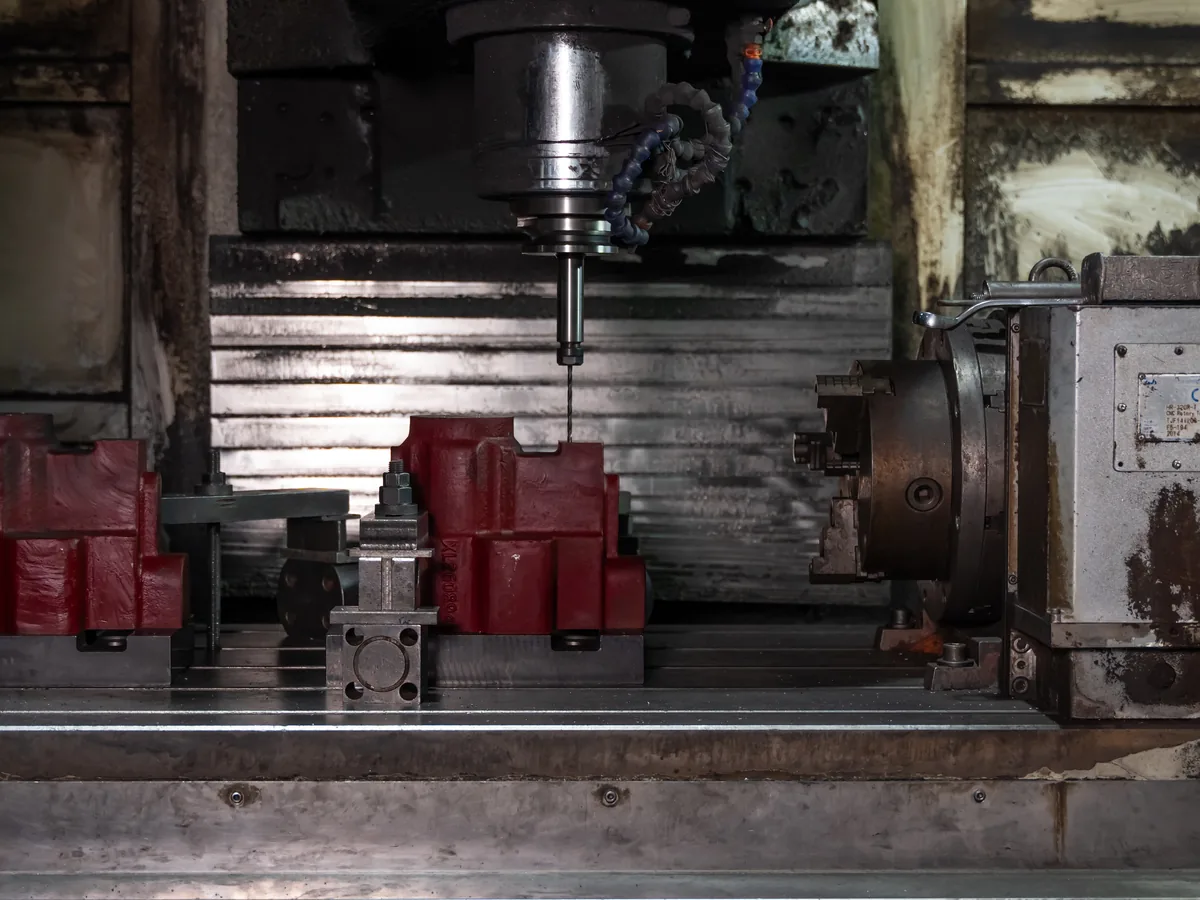
Blanks arrive as ductile-iron castings or steel forgings. Valve heads run heat-resistant alloys from the nickel-base family; stems typically run structural and nitriding steels. All surface treatment is in-house: vacuum hardening to 1,250 °C, nitriding, electroless nickel.
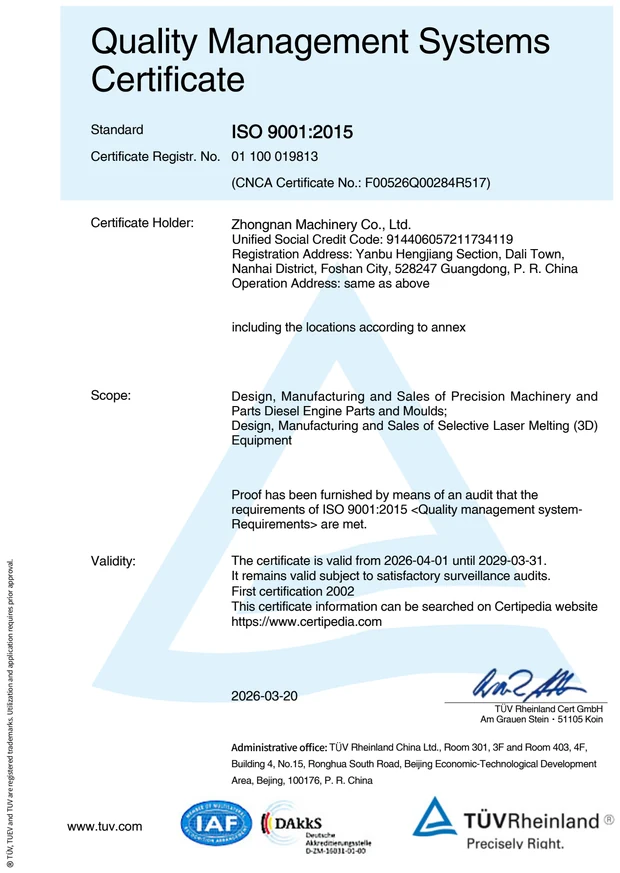
TÜV Rheinland certified, certificate No. 01 100 019813, continuously certified since 2002
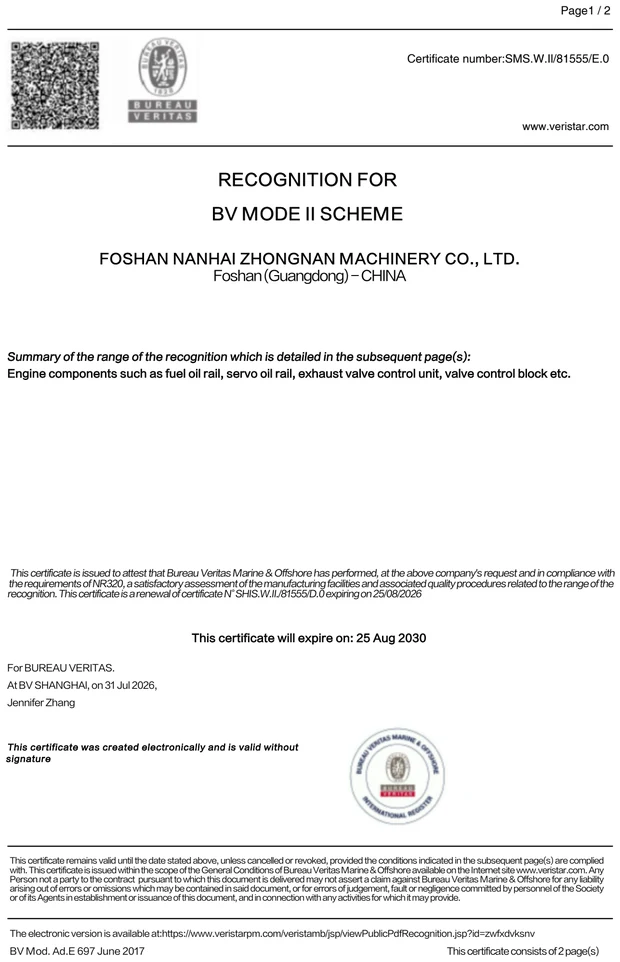
BV works approval and CCS type approval in place; inspection to ABS, DNV, LR, NK, RINA requirements supported on request
Machinability data on nickel-base, titanium and high-nitrogen steels measured and on file; processes managed by material family
Material certificates, dimensional records and heat-treatment reports ship with every order
Yes — marine exhaust valves are a regular production part for us, from heat-resistant alloy blanks to ground, 100%-inspected finished parts with documented inspection.
Valve heads run nickel-base heat-resistant alloys; stems run structural and nitriding steels; blanks arrive as ductile-iron castings or steel forgings. Send the grade on your drawing — if we have not cut that exact grade, we will tell you what adjacent experience we have.
Yes. Ra 0.4 μm is our routine production level on ground seat faces, and every stem diameter and seat runout is 100% measured — the numbers ship with the parts.
The drawing, the material grade, key dimensions (disc diameter, stem diameter, overall length), quantity and target delivery. An engineer replies with manufacturability feedback within 24 hours; the quote follows once the information is complete — we do not guess prices from photos.
Yes — BV works approval and CCS type approval in place; ABS, DNV, LR, NK, RINA inspections supported on request.
Send the drawing — with disc diameter, stem diameter, overall length, quantity and target delivery. Within 24 hours an engineer replies with manufacturability feedback; the quote follows once the information is complete. No instant prices, no guessed numbers. NDA welcome — your template or ours.
Related: Precision Grinding|Special Processes|CNC Milling & Turning|Marine